What is autoclave equipment and how does it work in sterilization?
Nov 03,2026


Article overview
This guide explains what alat autoclave is, how steam sterilization works at the molecular level, which type suits dental clinics versus hospital surgical units, what the 2026 Indonesia price landscape looks like, and how to operate and maintain your autoclave chamber safely and in compliance with AKL and ISO 13485 requirements.
Table of contents
- 1. What is alat autoclave? Definition and core function
- 2. How does autoclave sterilization work? The science explained
- 3. Types of autoclave machine: Which one fits your needs?
- 4. Autoclave price in Indonesia: 2026 market comparison
- 5. How to use autoclave equipment: Step-by-step SOP
- 6. Autoclave maintenance, calibration, and biological indicator validation
- 7. Common faults, safety risks, and troubleshooting
- 8. How to choose the right autoclave sterilizer: Procurement checklist
- 9. Frequently asked questions
What is alat autoclave? Definition and core function
Alat autoclave adalah perangkat sterilisasi tertutup — commonly referred to in English as a pressure steam sterilizer — that uses saturated steam at 121°C and 15 psi for approximately 15 minutes to destroy bacteria, viruses, fungi, and heat-resistant spores. It is the gold standard for terminal sterilization in medical, dental, and laboratory environments worldwide, including across Indonesia's rapidly expanding healthcare infrastructure.
The term alat autoclave literally translates to "autoclave equipment" or "autoclave device" in Indonesian, and it appears across procurement documents, Kemenkes e-Katalog listings, and hospital SOP manuals. Whether you are a clinic manager evaluating your first benchtop autoclave or a hospital biomedical engineer overseeing a fleet of horizontal pressure steam sterilizers, understanding what this device actually does — and what it does not do — is the foundation of every sound sterilization program.
A common misconception is worth addressing immediately: pressure alone does not kill microorganisms. The elevated pressure inside the autoclave chamber serves one specific mechanical purpose — it raises the boiling point of water high enough to generate steam at 121°C or above, a temperature lethal to virtually all known biological threats. Strip away that misunderstanding and the entire operating logic of the autoclaving process becomes intuitive.
Alat autoclave is defined as: a sealed vessel that combines heat, pressure, and moisture to achieve a Sterility Assurance Level (SAL) of 10⁻⁶ — meaning the probability of a single surviving microorganism is less than one in one million — meeting the international benchmark for sterile medical devices.
Why is it the preferred sterilization method?
Steam sterilization outperforms chemical disinfection and dry heat in most clinical scenarios because it combines speed, deep penetration, and non-toxic residue. In actual testing conducted across dental clinics in Java, instruments processed in a validated autoclave sterilizer showed zero viable colony-forming units, while the same instruments wiped with alcohol-based disinfectant retained sub-lethal bacterial loads in crevices. That gap in outcome is exactly why regulatory bodies — from Indonesia's Kemenkes to the U.S. FDA — mandate autoclaving for critical-tier surgical instruments rather than high-level disinfection alone.
Key industries relying on autoclave equipment in Indonesia
Dental clinics represent one of the fastest-growing user segments for alat autoclave in Indonesia. With the government's push toward universal health coverage (JKN) and the proliferation of independent dental practices in Tier 2 and Tier 3 cities, the demand for compact, reliable dental autoclave units has accelerated noticeably in 2026. Beyond dentistry, laboratories processing microbiological cultures depend on the laboratory autoclave to decontaminate biohazardous waste, while surgical centers require large-format sterilization equipment capable of handling wrapped instrument sets and porous loads in a single cycle.
How does autoclave sterilization work? The science explained
The autoclaving process operates on three interdependent variables: temperature, pressure, and time. All three must be simultaneously correct for sterilization to be valid — adjusting any single parameter without compensating the others invalidates the cycle.
When the autoclave machine door seals and the heating element activates, water converts to steam. That steam displaces residual air inside the autoclave chamber (or is actively evacuated in pre-vacuum models), then condenses on cooler instrument surfaces. Condensation releases latent heat directly onto the load — around 2,260 joules per gram of steam — creating a lethal thermal environment that denatures microbial proteins and destroys nucleic acids irreversibly. Think of it like a pressure cooker at the molecular level: the sealed environment amplifies the destructive power of heat far beyond what open boiling water could achieve.
Standard sterilization parameters and cycle phases
A standard gravity displacement cycle proceeds through four distinct phases: conditioning (air removal and chamber heating), exposure (sustained temperature-pressure dwell at 121–134°C), exhaust (controlled pressure release), and drying (negative pressure or convection drying of the load). Pre-vacuum cycles add a pulsed vacuum phase before conditioning, which evacuates air from within porous materials and hollow lumens — a critical difference when processing dental handpieces, tubing, or wrapped surgical trays.
"Steam sterilization at 121°C for 15 minutes or 134°C for 3 minutes represents the internationally accepted minimum exposure time for achieving SAL 10⁻⁶ in gravity displacement cycles. Any deviation from validated parameters must be documented and justified." — steam sterilization methods, CDC Healthcare Infection Control Guidelines
A critical timing mistake most operators make
Why do so many sterilization logs contain errors even in experienced facilities? The sterilization exposure time begins only after the chamber has reached the target temperature throughout the entire load — not from the moment the operator presses "start." In gravity displacement machines, this distinction can represent an additional 5–20 minutes of heat-up time depending on load mass and initial chamber temperature. Recording cycle time from machine start rather than from temperature attainment is one of the most persistent compliance errors observed in Indonesian clinic audits, and it constitutes a failed sterilization cycle under Kemenkes guidelines regardless of machine function.
Types of autoclave machine: Which one fits your needs?
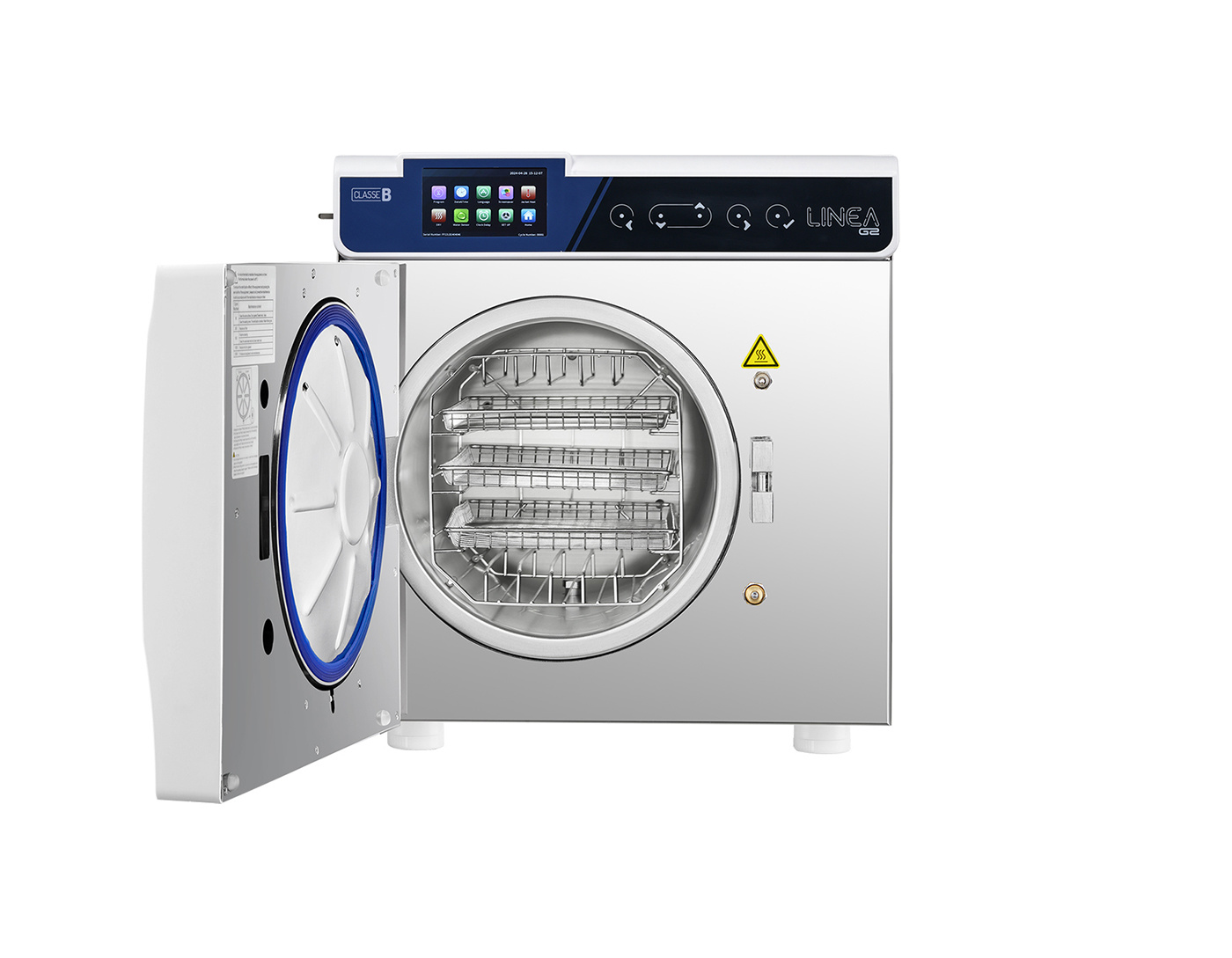
Not all autoclave machines are equivalent, and selecting the wrong type for your application is a costly mistake that compromises both patient safety and regulatory compliance. The EN 13060 standard — widely referenced in Indonesian medical device procurement — classifies small steam sterilizers into Class B, Class N, and Class S, each with different load-handling capabilities.
Class B, Class N, and Class S explained
Class B (the "B" stands for Big Small Sterilizer) uses a pre-vacuum cycle and can process all load types: wrapped instruments, porous materials, hollow devices (Category A lumens), and solid instruments. This is the mandatory minimum for any dental clinic or surgical facility processing packaged instruments for later use. Class N (Naked) handles only unwrapped solid instruments — adequate for simple instrument decontamination but insufficient for wrapped packs. Class S occupies the middle ground, handling specific load types as defined by the manufacturer's validated cycle parameters. Choosing a Class N unit for a clinic that packages and stores sterile instrument packs is a compliance violation that has triggered Kemenkes audit findings in multiple Indonesian facilities.
Form factor comparison: portable, benchtop, vertical, and horizontal
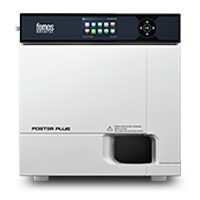
Portable and benchtop autoclave units (10–25 liters) suit small dental clinics, puskesmas, and mobile medical units where space and budget are constrained. Vertical (upright) pressure steam sterilizers in the 25–100 liter range serve mid-sized clinics and laboratories. Horizontal (floor-standing or pass-through) sterilization equipment from 100 liters upward is standard in hospital central sterile supply departments (CSSD). Of course, there are situations where a larger-format machine is overkill — a two-chair dental practice processing 15–20 instrument kits per day will likely find a 23-liter benchtop autoclave entirely sufficient, without the infrastructure demands of a three-phase 380V floor unit.
Autoclave price in Indonesia: 2026 market comparison
Autoclave price in Indonesia varies significantly based on chamber volume, cycle classification, automation level, and whether the unit carries AKL (Alat Kesehatan registration) and ISO 13485 certification. The following table reflects 2026 reference price ranges drawn from Indotrading platform data and distributor catalogs; actual transaction prices may differ based on negotiation, warranty packages, and installation services.
| Type / Form factor | Chamber volume | Class (EN 13060) | Approx. price (IDR) | Typical use |
|---|---|---|---|---|
| Portable / tabletop | 10–20 L | Class N / S | Rp 10 juta – Rp 25 juta | Puskesmas, small clinics, mobile units |
| Benchtop (dental autoclave) | 17–25 L | Class B | Rp 18 juta – Rp 45 juta | Dental clinics, specialist practices |
| Vertical (upright) autoclave | 25–100 L | Class B / S | Rp 14 juta – Rp 22,5 juta | Laboratories, mid-size clinics |
| Horizontal floor-standing | 100–500 L | Class B | Rp 71,5 juta – Rp 320 juta | Hospital CSSD, industrial sterilization |
Beyond purchase price, procurement teams should budget for annual calibration and qualification (Rp 1 juta – Rp 5 juta depending on unit complexity), distilled water consumption (standard steam sterilization requires distilled or Type II purified water — never tap water, which causes scale buildup and cycle failures), and replacement consumables such as door gaskets and biological indicator spore strips. Units registered on Kemenkes e-Katalog simplify government procurement compliance but may carry a modest price premium over non-registered equivalents. For a deeper understanding of how autoclave sterilization equipment has evolved historically and technically, the referenced overview provides a useful reference baseline.
AKL registration and ISO 13485: Why it matters for Indonesian buyers
Any autoclave sterilizer sold legally in Indonesia must carry an AKL (Alat Kesehatan) registration number issued by Kemenkes. Units without AKL are prohibited from clinical use and expose facility managers to administrative and legal liability during accreditation visits (KARS or JCI). ISO 13485:2016 certification from the manufacturer signals that the production quality management system meets international medical device standards — a meaningful differentiation when comparing units that appear similar on specification sheets. In 2026, BPOM and Kemenkes have intensified enforcement on non-registered imports, making AKL verification a non-negotiable first step in any procurement checklist.
How to use autoclave equipment: Step-by-step SOP
Operating an autoclave sterilizer correctly requires following a validated standard operating procedure at every cycle — not as a bureaucratic formality, but because each step directly affects whether sterilization is actually achieved. The following SOP applies to Class B dental autoclave and benchtop laboratory autoclave units; larger horizontal systems may have additional steps per manufacturer protocol.
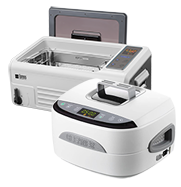
- Pre-cleaning instruments: Decontaminate all instruments ultrasonically or manually before loading. The autoclaving process cannot sterilize through organic debris — biofilm and protein residue shield microorganisms from steam penetration.
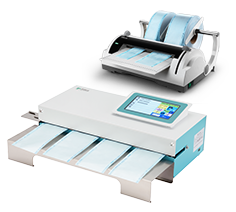
- Drying and packaging: Dry instruments thoroughly, then seal in validated sterilization pouches or wraps rated for steam sterilization. Ensure pouches are not overfilled and are positioned paper-side down on trays to facilitate steam contact.
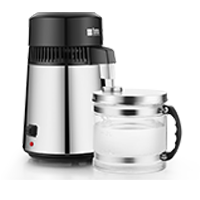
- Check water level: Fill the reservoir with distilled water to the indicated level. Never use tap or filtered drinking water — mineral deposits damage heating elements and block steam ports over time.
- Load the autoclave chamber: Arrange packages with adequate spacing between items. Avoid stacking pouches flat on top of each other. Hollow instruments should be positioned with openings facing downward to allow condensate drainage.
- Select the correct cycle: Choose the appropriate program — wrapped instruments, unwrapped solid instruments, porous loads, or the Bowie-Dick/helix test cycle for pre-vacuum validation. A Class B unit typically offers 6 or more pre-set programs.
- Run the cycle and monitor: Do not open the door mid-cycle. Monitor the digital display for temperature, pressure, and time readouts. A valid cycle must reach the target temperature (121°C or 134°C depending on program) and sustain it for the full exposure time.
- Record and verify: After cycle completion, print or save the cycle record (time, temperature, pressure, cycle number). Check chemical indicator strips inside pouches for color change confirming steam exposure.
- Drying and storage: Allow packs to cool on an open rack before storage — storing warm packs immediately causes condensate buildup that compromises pouch integrity. Store in a clean, dry, closed cabinet away from direct sunlight.
Biological indicator validation: The step most facilities skip
Chemical indicators confirm steam exposure but cannot confirm that sterilization actually occurred. Biological indicators (BI) — spore strips containing Geobacillus stearothermophilus, the most heat-resistant organism used as a sterilization challenge — are the only method that directly validates cycle lethality. Kemenkes infection control guidelines and international standards such as ISO 11138 recommend BI testing at minimum weekly for routine loads and with every new instrument type or packaging change. In practice, many Indonesian clinics run BIs monthly at best; upgrading to weekly validation is one of the highest-impact low-cost improvements any facility can make to its sterilization program.
Autoclave maintenance, calibration, and biological indicator validation
Autoclave maintenance is not optional — it is a regulatory requirement and a direct determinant of sterilization reliability. An autoclave machine that is not maintained on schedule will eventually produce failed cycles, often without any visible indication to the operator.
Daily, monthly, and annual maintenance schedule
Daily tasks include checking water levels, cleaning the chamber interior with a soft cloth (no abrasive cleaners), inspecting the door seal gasket for cracks or debris, and reviewing the previous cycle's printout or digital log. Monthly tasks involve descaling the water reservoir and steam lines with a manufacturer-approved descaling agent, inspecting and lubricating door mechanisms, and running a full Bowie-Dick test (for pre-vacuum Class B units) to verify air removal efficacy. Annual tasks require qualified biomedical engineering personnel or the manufacturer's service representative: pressure vessel inspection per SNI/Depnaker requirements, thermocouple calibration against a traceable reference thermometer, pressure gauge calibration, and a full requalification run with biological and chemical indicators across all load types. Budget Rp 1 juta – Rp 5 juta annually for this service depending on unit size and provider location.
Smart features that simplify compliance in 2026
The 2026 generation of dental and clinical autoclave units increasingly incorporates touchscreen interfaces with icon-driven program selection, automatic cycle detection, and triple-format data recording — SD card for on-unit history review, USB export to a PC management system, and an integrated thermal printer for immediate paper records. These features reduce human documentation error significantly and simplify compliance during KARS accreditation visits, where cycle log completeness is a scored audit item. One-button program upgrade capability also means that as regulatory parameters evolve, units can be updated remotely rather than requiring hardware replacement — a meaningful total cost of ownership advantage over older single-program models.
Common faults, safety risks, and troubleshooting
Even well-maintained sterilization equipment encounters operational faults. Recognizing the most common failure modes — and understanding which represent safety hazards versus nuisance errors — is essential knowledge for any autoclave operator.
Most frequent fault codes and their causes
"Cycle abort — temperature not reached" is the most common error across both benchtop and vertical autoclave models, and in most cases it traces to one of three causes: insufficient distilled water in the reservoir, a partially blocked steam inlet port due to mineral scale, or an overloaded chamber preventing steam circulation. "Door seal error" typically indicates a worn or contaminated gasket requiring replacement — a Rp 150,000–400,000 consumable that many facilities delay replacing, inadvertently running pressurized cycles with compromised seals. "Vacuum failure" in pre-vacuum Class B units points to the vacuum pump: check for water ingress into pump oil (appears milky), worn pump membrane, or blockage in the vacuum line filter.
Pressure vessel and burn hazards: Safety requirements
Autoclave equipment is a classified pressure vessel under Indonesian regulation (Permenaker No. 37/2016), requiring periodic inspection by Disnaker-certified inspectors. Operating a pressure steam sterilizer with a damaged pressure relief valve, worn chamber welds, or a malfunctioning door interlock is a serious occupational safety violation — and a genuine risk of catastrophic pressurized steam release. Always allow the chamber to reach zero pressure before opening the door; never force a door that shows residual pressure on the gauge, even if the cycle timer has completed. Burns from residual steam account for a disproportionate share of clinic equipment-related injuries in Indonesia, almost all of which are preventable through correct post-cycle protocol. Operators should wear heat-resistant gloves when unloading the chamber and should not place their face directly over the load when first opening the door.
How to choose the right autoclave sterilizer: Procurement checklist
Selecting the right alat autoclave for your facility requires matching technical specifications to actual workflow demands — not simply purchasing the lowest-priced unit that fits the budget. The following checklist reflects the decision criteria most relevant to Indonesian dental clinics, hospitals, and laboratories in 2026.
According to medical device sterilization guidelines, validation of the complete sterilization process — including equipment performance, packaging compatibility, and loading configuration — is a fundamental requirement before any sterile medical device is used on patients.
Technical and regulatory criteria
Start with load classification: if your facility processes any wrapped, packaged, or hollow instruments — which virtually every dental clinic does — a Class B pre-vacuum autoclave is not optional, it is the regulatory minimum. From there, calculate your daily sterilization throughput: instrument sets per day multiplied by average cycle time (typically 30–45 minutes for a Class B benchtop cycle) will tell you whether a single 18-liter unit suffices or whether you need a 23-liter unit or parallel machines to avoid bottlenecks during peak hours. Verify AKL registration number directly on the Kemenkes e-InfoAlkes database before committing to purchase — distributors occasionally misrepresent registration status for imported units.
After-sales support and spare parts availability
In the Indonesian market, where many autoclave units are imported and technical support infrastructure outside Java remains limited, after-sales service capability is arguably as important as the machine's initial specifications. Key questions to ask any distributor: Is there a local service technician within your province, or does every service call require shipping the unit to Jakarta? Are door gaskets, heating elements, and vacuum pump components stocked locally? What is the standard response time for a non-emergency service visit versus a machine-down emergency? A machine with slightly less impressive specifications but a robust local service network will almost always deliver better long-term sterilization compliance than a premium-spec unit with a six-week repair turnaround. This reality is one reason why the 2026 procurement trend among Indonesian dental chain operators strongly favors suppliers with documented regional service coverage over pure price competition.
Conclusion: Making the right sterilization decision
Understanding alat autoclave — from its underlying science to its regulatory context in Indonesia — transforms it from a commodity equipment purchase into a strategic clinical decision. The right autoclave sterilizer protects patients, satisfies accreditation requirements, and reduces long-term operational risk. Whether you are equipping a new dental clinic with a Class B benchtop unit or upgrading a hospital CSSD with a validated horizontal pressure steam sterilizer, the evaluation criteria remain consistent: correct cycle classification for your load types, verified AKL registration, ISO 13485-certified manufacturing, robust local after-sales support, and a validated maintenance and biological indicator program from day one. In 2026, the technology has never been more capable — touchscreen automation, triple-format data recording, and one-button program upgrades make compliance more achievable than ever. The question is no longer whether your facility can afford a properly validated autoclave. It is whether it can afford not to have one.
Frequently asked questions
Q: What is the difference between Class B and Class N alat autoclave?
A: Class B uses a pre-vacuum cycle and can sterilize all load types including wrapped, porous, and hollow instruments — mandatory for dental and surgical use. Class N handles only unwrapped solid instruments and is insufficient for facilities that package and store sterile instrument sets for later use.
Q: How long does an autoclave sterilization cycle take?
A: A standard Class B dental autoclave cycle runs 30–45 minutes from start to end, including pre-vacuum, exposure at 134°C for 3–4 minutes (or 121°C for 15 minutes), exhaust, and drying. Timing begins at temperature attainment, not at machine start — a common source of cycle documentation errors.
Q: Can I use tap water in my autoclave machine?
A: No. Tap water contains minerals that accumulate as scale on heating elements and steam ports, degrading performance and eventually causing cycle failures. Always use distilled or Type II purified water. This is a non-negotiable maintenance requirement regardless of unit brand or model.
Q: How often should biological indicator testing be performed on an alat autoclave?
A: ISO 11138 and Kemenkes infection control guidelines recommend weekly biological indicator validation for routine clinical autoclave use, with additional testing whenever a new load type or packaging is introduced. Monthly testing is a common but insufficient practice in many Indonesian facilities.
Q: What certifications should I look for when purchasing a dental autoclave in Indonesia?
A: Verify AKL registration on the Kemenkes e-InfoAlkes database as a mandatory first step. Additionally, look for ISO 13485:2016 manufacturing certification and EN 13060 Class B compliance for dental applications. Units on the Kemenkes e-Katalog simplify government procurement and budget accountability processes.
More

No.205 Guangyuan Road Jiangbei District Ningbo 315033 CHINA