Dental autoclave buying guide: what to look for before you purchase
Nov 25,2026


Article overview
This guide helps dentists, clinic owners, and procurement staff in the Philippines evaluate dental autoclaves before making a purchase. It covers sterilization class differences (Class B, N, and S), how to size chamber capacity for your clinic, what the total landed cost actually looks like including VAT and delivery, compliance and validation requirements under local regulations, and what after-sales support should include. The goal is to give buyers enough information to compare options confidently and avoid common pitfalls.
Table of contents
- What kind of autoclave does a dental clinic actually need?
- Class B, N, and S autoclaves: what the difference means for your clinic
- Sizing the chamber: how to match capacity to your workload
- Total landed cost in the Philippines: beyond the sticker price
- Compliance, validation, and documentation requirements
- Evaluating after-sales support before you buy
- New vs. used autoclaves: when each option makes sense
- What to check during setup and early operation
- Frequently asked questions
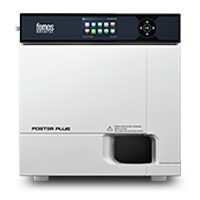
When you start looking at dental autoclave for sale listings — whether from local distributors, online marketplaces, or international suppliers — the range of options, prices, and specifications can be genuinely confusing. A benchtop unit priced at ₱35,000 and a clinical-grade pressure steam sterilizer at ₱250,000 can look similar in a product photo, but they serve very different purposes and carry very different risks if mismatched to your practice. This guide cuts through the noise by focusing on the decisions that actually matter: sterilization class, chamber sizing, real total cost, and what happens after the sale.
What kind of autoclave does a dental clinic actually need?
The core function of any autoclave types and uses is to destroy microbial life — including bacterial spores — using saturated steam under pressure. In a dental setting, the instruments being sterilized include solid metal tools, hollow handpieces, wrapped packs, and porous materials like textiles. Not all autoclaves handle all of these equally well.
The key question is not "which brand?" but rather "what load types does this clinic process, and how often?" A single-chair clinic in a residential area has fundamentally different throughput needs than a five-chair multi-specialty practice or a dental laboratory. The wrong choice in either direction — underpowered for a busy clinic or oversized for a small one — creates real operational problems.
Dental autoclaves are classified under medical device sterilization equipment, which means they fall under regulatory oversight in the Philippines. The Food and Drug Administration (FDA) and the Department of Health (DOH) set requirements for infection control in healthcare facilities, including dental clinics. Any autoclave machine used for patient-contact instrument sterilization must be capable of meeting validated sterilization parameters, not just reaching a target temperature.
Class B, N, and S autoclaves: what the difference means for your clinic
The European standard EN 13060 defines three performance classes for small steam sterilizers. These classifications — Class B, Class N, and Class S — are widely referenced by sterilization equipment suppliers globally, including those serving the Philippine market. Understanding the difference is the single most important technical decision in choosing a dental autoclave.
Class B: the standard for full dental use
Class B autoclaves use a pre-vacuum cycle that removes air from the chamber before steam penetrates the load. This is what makes them capable of sterilizing hollow instruments (like dental handpieces and air-water syringes), porous materials (like wrapped textiles), and bagged or pouched instruments. For any dental clinic that sterilizes handpieces — which is essentially all of them — a Class B unit is the appropriate choice.
Class B units typically include a Bowie-Dick test cycle, which verifies that the vacuum system is working correctly and that steam is fully penetrating the load. This is a daily validation step, not an optional extra. Class B autoclaves are more expensive than Class N or S units, but they are the category most Philippine dental regulators and infection control guidelines point toward for clinical use.
Class N: adequate only for solid, unwrapped instruments
Class N autoclaves (N for "naked") run gravity displacement cycles. They are designed for solid, unwrapped, non-hollow instruments only — think stainless steel extraction forceps placed directly on a tray. They cannot reliably sterilize wrapped packs, pouches, or hollow instruments because gravity displacement does not fully remove air from load interiors.
Some Class N benchtop autoclaves are sold at lower price points and appear alongside Class B units in autoclave for sale listings without the distinction being clearly stated. If you are processing pouched instruments or handpieces, a Class N unit does not meet the standard — regardless of price or appearance.
Class S: a middle category with defined limitations
Class S autoclaves are designed for specific load types defined by the manufacturer. They may handle some wrapped or hollow items, but only those explicitly validated for that unit. The manufacturer's instructions for use (IFU) define what load configurations are permissible. Class S units are sometimes used in smaller practices for a defined, limited instrument set, but they require careful evaluation of whether your actual instrument mix falls within the manufacturer's validated parameters.
| Class | Air removal method | Suitable load types | Handpieces and pouches? |
|---|---|---|---|
| Class B | Pre-vacuum (fractional) | Solid, hollow, porous, wrapped, pouched | Yes |
| Class S | Varies by unit | As specified by manufacturer IFU | Only if validated |
| Class N | Gravity displacement | Solid, unwrapped, non-hollow only | No |
Sizing the chamber: how to match capacity to your workload
Autoclave chamber capacity is measured in liters, and choosing the right size depends on how many instruments you process per hour and how many chairs your clinic operates. Getting this wrong in either direction has real consequences: an undersized unit creates bottlenecks and pressures staff to cut cycle times, while an oversized unit wastes electricity and water and may not be justified by the instrument volume.
Single-chair dental clinic
A one-chair practice typically generates a moderate but predictable instrument volume. A benchtop autoclave with a 17–22 liter chamber is generally sufficient for this setting. Units in this range can accommodate a standard tray of dental instruments plus several pouched items per cycle. The key is ensuring cycle frequency — if you have back-to-back patients, you need enough sterile instruments ready without rushing the drying phase.
Small multi-chair clinic (2–4 chairs)
At this scale, throughput becomes the main constraint. A single small-chamber unit often creates a sterilization bottleneck during peak hours. Options include a 23–28 liter Class B autoclave with faster cycle times, or two smaller units running in parallel. For clinics performing surgical procedures alongside routine restorative work, the instrument mix will include more wrapped packs and heavier loads, which also argues for the larger chamber.
Hospital dental unit or high-volume practice
Hospital sterilization equipment for dental departments typically operates at 28 liters and above, often in central sterile supply departments (CSSD) rather than chairside. At this scale, a laboratory autoclave or larger steam sterilizer Philippines-compatible unit with full documentation capabilities — printout logs, cycle records, biological indicator integration — is more appropriate than a standard benchtop unit. The selection process here typically involves a formal procurement review rather than a direct purchase.
Dental laboratory
A laboratory autoclave for a dental lab (processing impressions, casts, or instruments) has different requirements from a clinical autoclave. Load types may include non-standard items, and the volume can be more batch-oriented. Confirm that the unit you are considering is validated for the specific materials your lab processes — not all autoclave cycles are appropriate for dental impression materials, for instance.

Total landed cost in the Philippines: beyond the sticker price
When comparing dental autoclave for sale options, the listed unit price rarely reflects what you will actually pay to get the equipment operational in your clinic. For buyers in the Philippines, the gap between advertised price and total landed cost can be significant, particularly for imported units.
Price ranges by category (indicative, as of 2026)
These ranges are indicative based on market conditions and should be verified with suppliers, as prices vary by chamber size, class, and origin:
| Category | Approximate price range (PHP) | Notes |
|---|---|---|
| Entry-level Class N benchtop | ₱25,000 – ₱55,000 | Limited to solid unwrapped loads |
| Class B benchtop (17–22L) | ₱80,000 – ₱180,000 | Most common for single-chair clinics |
| Class B mid-range (23–28L) | ₱180,000 – ₱320,000 | Suitable for 2–4 chair clinics |
| Used autoclave for sale (Class B) | ₱40,000 – ₱120,000 | Requires validation and service history check |
Additional costs to factor in
VAT (12%): All equipment purchases in the Philippines are subject to 12% VAT unless the buyer qualifies for an exemption. This is frequently excluded from online listing prices. On a ₱150,000 unit, VAT alone adds ₱18,000.
Import duties and customs fees: Units shipped directly from overseas may incur import duties depending on the product classification under the ASEAN Harmonized Tariff Nomenclature. Medical devices classified under HS code 8419 have historically attracted duties in the range of 0–10%, plus customs processing fees. Locally stocked units from an authorized Philippine distributor avoid this uncertainty.
Freight and delivery: Within Metro Manila, delivery is often included or low-cost. For clinics in Visayas, Mindanao, or island provinces, freight can add ₱3,000–₱15,000 depending on the carrier and destination. For large or heavy units, ground floor access and unloading assistance may need to be arranged separately.
Installation and commissioning: A properly installed autoclave requires a water supply connection (preferably using distilled water), a drainage point, and an electrical circuit that meets the unit's load requirements. Some suppliers include commissioning in the purchase price; others charge separately. Expect ₱3,000–₱8,000 if billed independently.
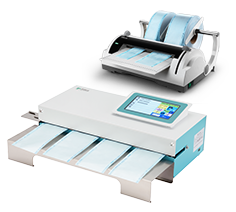
Consumables for first year: Sterilization pouches or bags, distilled water supply (or a water distiller unit), printer paper for cycle logs if applicable, and biological indicators for initial and periodic validation testing are recurring costs that add up. Budget for these separately from the equipment cost itself.
When evaluating autoclave machine cost, ask suppliers to provide a full landed cost breakdown — not just the unit price — before comparing options.
Compliance, validation, and documentation requirements
Operating a dental clinic in the Philippines requires compliance with DOH Department Circular guidelines on infection control, as well as any applicable standards from the Philippine Dental Association (PDA). These requirements have practical implications for which autoclave you buy and how you operate it.
DOH and FDA requirements for dental clinic sterilization
The DOH requires that dental clinics maintain a documented sterilization protocol and that equipment used for sterilization meets defined performance standards. Autoclaves used for sterilizing patient-contact instruments must be capable of achieving validated time-temperature-pressure parameters. The steam sterilization guidance from international regulatory bodies, while not binding in the Philippines, provides a widely recognized technical reference that aligns with local DOH expectations.
Units purchased from authorized sterilization equipment suppliers should come with the relevant FDA Certificate of Product Registration (CPR) or be declared compliant with applicable Philippine medical device regulations. Ask for this documentation before purchasing.
Biological indicators and chemical indicators
Validation of sterilization cycles requires more than setting the right temperature and pressure. A complete infection control program includes:
- Biological indicators (BIs): Spore strips or vials containing Geobacillus stearothermophilus spores are placed inside the autoclave load and processed. If the spores are killed (confirmed by incubating the BI after the cycle), the cycle achieved sterilizing conditions throughout the load. DOH infection control guidelines recommend periodic BI testing — typically weekly for active clinical use.
- Chemical indicators (CIs): Class 1 (process indicators) change color when exposed to steam, confirming the pack was processed. Class 5 or Class 6 integrating indicators provide more detailed confirmation of time-temperature parameters and should be used inside each pouched load.
- Bowie-Dick test: Required for Class B autoclaves on a daily basis before the first clinical load. This test specifically checks that the pre-vacuum system is removing air correctly and that steam penetration is uniform. A failed Bowie-Dick test means the autoclave should not be used until the fault is diagnosed.
Cycle documentation and record-keeping
Every sterilization cycle should be recorded — at minimum, the date, cycle type, temperature, time, and result of any chemical or biological indicator used. Many Class B autoclaves include a built-in thermal printer or USB data logging function for this purpose. During a DOH inspection or accreditation review, cycle records demonstrate that your sterilization process is consistent and traceable.
Units without any logging capability are harder to defend in an audit context, even if the cycles themselves run correctly. This is a practical reason to prioritize units with documentation features, not just adequate sterilization performance.
Evaluating after-sales support before you buy
The autoclave machine cost is a one-time expense. What you pay — in money and in downtime — over the life of the unit depends heavily on after-sales support. This is an area where Philippine buyers frequently encounter gaps, particularly with low-cost units sourced from overseas with no local service network.
What adequate after-sales support looks like
On-site service availability: For Metro Manila and major urban centers, a reputable sterilization equipment supplier should be able to dispatch a technician within 2–5 business days for a service call. For provincial locations, ask specifically whether the supplier has regional technicians or relies on the buyer to ship the unit back to Manila — the latter means days or weeks without a functioning autoclave.
Warranty terms: Most new dental autoclaves carry a 1–2 year parts and labor warranty. Confirm what is covered: the chamber and vessel (which rarely fail) are less important than the vacuum pump, door seal, heating element, and control board, which are more likely to need attention. Ask whether the warranty covers on-site repair or requires the unit to be returned.
Spare parts availability: Door gaskets and seals need periodic replacement — typically every 1–2 years depending on cycle frequency. Vacuum pump seals, water level sensors, and printer rolls are other commonly replaced components. If the local supplier cannot source these parts within a reasonable timeframe, you face extended downtime whenever a component fails. Before purchasing, ask the supplier to confirm lead times for common consumable parts.
Calibration and periodic maintenance: Autoclaves require periodic calibration and pressure vessel inspection. In the Philippines, the schedule and requirements may vary by unit type and local authority. Some suppliers offer annual preventive maintenance contracts that cover calibration, seal replacement, and cycle testing — these can be worth factoring into the total cost of ownership.
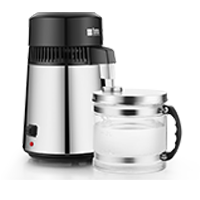
Distilled water supply: Class B autoclaves require distilled water to prevent mineral scaling on the chamber and heating element. If your clinic does not have a water distiller, you will need a reliable supply of bottled distilled water or a small countertop distillation unit. Some suppliers bundle this; most do not. This is a recurring operational cost that is often overlooked at the purchase stage.
New vs. used autoclaves: when each option makes sense
The market for used autoclave for sale units in the Philippines is active, and the price differential versus new equipment can be substantial. A second-hand Class B unit that would cost ₱150,000 new might be available for ₱50,000–₱80,000 used. Whether that trade-off is worthwhile depends on what you can verify about the unit's history.
When a used unit can be a reasonable choice
- The seller can provide the full service history, including cycle count logs, maintenance records, and any parts replacements.
- The unit has been professionally inspected and pressure-tested within the past 12 months.
- Replacement parts and local service are available for that unit's model.
- The door seal, vacuum pump, and heating element have been recently replaced or are in confirmed good condition.
- The cycle validation — biological indicator and Bowie-Dick test — passes after purchase.
When to avoid a used unit
- No service records are available and the seller cannot confirm maintenance history.
- The unit is an older or discontinued model for which spare parts are no longer easily sourced locally.
- The price saving would be offset by the cost of replacing worn components and commissioning.
- The clinic is purchasing its first autoclave and lacks internal expertise to evaluate the unit's condition.
Clinics considering used sterilization equipment should treat the inspection and validation step as non-negotiable, not optional. A used autoclave that has not been validated after purchase is not a sterilizer — it is a pressurized vessel of unknown performance.
What to check during setup and early operation
Even a correctly specified, properly purchased autoclave can underperform if the installation and early operational steps are not handled carefully. The following applies whether the unit is new or reconditioned.
Installation checks
Confirm that the electrical supply matches the unit's requirements — voltage (220V in the Philippines), amperage, and whether a dedicated circuit is needed. Connecting a high-draw autoclave to a shared circuit with other equipment can trip breakers or cause voltage fluctuations that affect cycle performance.
The unit should be level, with adequate ventilation around the cabinet. Check the water inlet and drain connections for leaks before running the first cycle. If the unit uses an internal water reservoir, fill it with distilled water only — tap water or purified drinking water will cause scaling over time regardless of how clean it looks.
First-cycle validation
Before processing any clinical instruments, run the following:
- A Bowie-Dick test cycle (Class B units) to verify vacuum performance.
- A biological indicator test cycle using the appropriate spore preparation, with incubation and reading of results before clinical use begins.
- A full cycle with chemical integrators in the positions most likely to be challenging (center of the load, inside hollow instruments).
If any of these fail, do not proceed to clinical use. Contact the supplier or service technician to diagnose the fault before the autoclave enters clinical service.
Common early operational issues to watch for
Wet packs after cycle: Instruments or textiles emerging wet from a completed cycle indicate a drying phase problem — either too short, insufficient chamber temperature during drying, or overloaded trays. Wet packs are considered non-sterile and must be reprocessed after the fault is corrected.
Door seal leaks: A hissing sound during the pressurization phase, or failure to reach target pressure, can indicate a door gasket problem. This is a common early failure point, particularly if the door is closed with excessive force or at an angle.
Cycle abort errors: Modern autoclaves display error codes when a cycle is interrupted. Keep the error code reference in the IFU accessible to staff, and log every abort event with the error code and what was done to resolve it. Repeated abort errors signal a need for service, not just repeated manual restarts.
Frequently asked questions
What is the minimum autoclave requirement for a dental clinic in the Philippines?
DOH infection control requirements for dental clinics specify that instruments used in patient care must be sterilized using a validated method. For clinics processing hollow instruments such as handpieces or pouched instrument sets, a Class B steam sterilizer is the appropriate standard. Class N units do not meet the requirement for these load types. Specific DOH circulars should be consulted for the most current applicable requirements, as these can be updated.
Can I buy a portable autoclave unit for a mobile dental service?
A portable autoclave unit exists and is used in some field or mobile settings. For dental use, any portable unit must still meet Class B performance requirements if hollow or pouched instruments are being sterilized. Portable units generally have smaller chamber capacities (3–10 liters) and may require external power sources capable of supplying sufficient amperage. Their use in a mobile dental context requires the same validation and documentation steps as a fixed installation.
How often should a dental autoclave be serviced?
Most manufacturers recommend annual preventive maintenance, which should include inspection of door seals and gaskets, vacuum pump performance testing, calibration of temperature and pressure sensors, and chamber descaling if applicable. In addition to scheduled maintenance, biological indicator testing should be conducted weekly during active clinical operation, and the Bowie-Dick test daily for Class B units. Any cycle abort, unexplained error, or change in cycle behavior warrants immediate service review rather than waiting for the annual schedule.
Is it safe to use tap water in a dental autoclave?
No. Tap water — and most commercially bottled drinking water — contains minerals that deposit on the chamber walls, heating element, and internal components over time. These deposits reduce heating efficiency, can cause sensor errors, and eventually damage the chamber. All autoclave manufacturers specify distilled water (not purified or mineral water) for the feed water supply. Using distilled water is not optional; it directly affects both equipment longevity and cycle reliability.
What should I ask a sterilization equipment supplier before purchasing?
Before committing to any autoclave for sale, ask: What sterilization class is this unit (B, N, or S)? What is the full landed cost including VAT, delivery, and installation? Does the unit come with a Philippine FDA Certificate of Product Registration? What is covered under the warranty, and is service on-site or return-to-depot? What are typical lead times for door seals and other consumable parts? Can the supplier provide cycle validation support — including biological indicator testing — at commissioning? The answers to these questions will tell you more about total cost and reliability than the unit price alone.
Disclaimer: This article is intended for general informational purposes only and should not be considered a substitute for professional guidance, applicable regulatory requirements, or the manufacturer's instructions for use (IFU).
More
No.205 Guangyuan Road Jiangbei District Ningbo 315033 CHINA