Class B vs class S autoclave sterilizers: which meets your medical standard
Nov 15,2026


Article overview
This guide compares class B and class S autoclave sterilizers for Philippine clinics, dental practices, lying-in facilities and laboratories. It explains EN 13060 load classes, FDA Philippines and DOH requirements, peso price bands, 220V power needs, spore testing and running costs. It then matches each option to a facility type, so your autoclave sterilizers medical purchase fits your instruments and your inspections.
Table of contents
- 1. What class N, S and B mean under EN 13060
- 2. Class B vs class S side by side
- 3. Philippine compliance: FDA registration, DOH licensing and records
- 4. Pricing, voltage and total cost of ownership in the Philippines
- 5. Validation and monitoring: keeping sterilization provable
- 6. Choosing by facility type
- 7. Conclusion
- 8. Frequently asked questions
Class B is the safer default for any clinic that wraps, pouches or reprocesses hollow instruments, while class S suits only the load types its manufacturer has validated. Autoclave sterilizers medical equipment uses pressurized saturated steam to destroy all microorganisms, including bacterial spores, on instruments and supplies. That is the short version. For Philippine buyers, the real decision also involves FDA Philippines paperwork, 220V supply, peso budgets and after-sales support. This guide covers each factor, so the autoclave sterilizers medical teams choose can be defended during an inspection, not just in a brochure.
What class N, S and B mean under EN 13060
EN 13060 classifies benchtop steam sterilizers by the loads they can safely process. Class N handles only naked solid items, class S handles loads the manufacturer specifies, and class B handles every load type, including wrapped, porous and hollow instruments.
Autoclave sterilizers medical refers to steam pressure vessels, from tabletop units to double-door hospital sterilization equipment, that sterilize reusable instruments. The physics is simple. Saturated steam at about 121°C (roughly 15 psi) or 134°C transfers heat far faster than dry air. That is why the classic autoclave remains the backbone of steam sterilization. For a plain-language primer, read how autoclaves work.
How the three classes differ
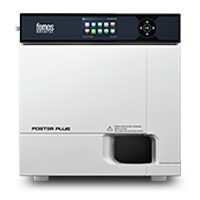
Class N units rely on gravity displacement. Steam pushes air downward and out, which works for a bare steel mirror but fails inside a lumen or a pouch. Class S units sit in between: their makers declare which loads were tested, perhaps wrapped solid items or one type of hollow instrument. A class B autoclave is a vacuum steam sterilizer. It removes air in pulses before the sterilization phase, then dries the load with a final vacuum. Air trapped in a handpiece is like a bubble in a garden hose, because steam cannot reach where air sits. Class B pre-vacuum cycles are designed to eliminate that bubble.
Is class B better than class S?
Not automatically. Class B is broader, not magically superior. If a practice processes a small, fixed set of instruments that appear on the maker's validated list, a class S machine is a legitimate choice. Mixed workloads change the picture. Staff turnover, new instrument suppliers and pouched sets all create the risk of an unvalidated load. Why do so many clinics regret buying class N? Because their instrument mix changed after the purchase. In that sense, class B works as insurance against change. The trade-off is a higher purchase price and somewhat longer cycles.
Class B vs class S side by side
Choose class B when you reprocess wrapped, pouched, hollow or porous items. Choose class S only when every item you sterilize appears on the manufacturer's validated load list. The table below shows how autoclave sterilizers medical buyers should read the difference.

| Feature (EN 13060) | Class N | Class S | Class B |
|---|---|---|---|
| Air removal | Gravity displacement | Varies by design | Fractionated pre-vacuum |
| Naked solid instruments | Yes | Yes | Yes |
| Wrapped or pouched items | No | Only if declared | Yes |
| Hollow items (handpieces, suction tips) | No | Only if declared | Yes |
| Porous loads (gauze, textiles) | No | Only if declared | Yes |
| Vacuum drying | Usually no | Varies | Yes |
| Typical sterilization hold | 134°C, about 3.5–4 min | 134°C, about 3.5–4 min | 134°C, about 3.5–4 min |
| Best fit | Bare, simple tools | Fixed, validated load | Mixed clinical loads |
Note: hold times vary by model, so confirm cycle parameters in the instructions for use (IFU).
Which instruments need class B?
Anything with a lumen, a hinge that traps air, or a wrap. Dental handpieces, suction tips, pouched surgical sets and textile packs all fall here. Surgical instrument sterilization in a minor-procedure room often mixes forceps, scissors and wrapped drapes in one load, and that mix is exactly what class S struggles to cover. A dental autoclave sterilizer that cannot process handpieces in pouches forces staff into workarounds, and workarounds are where infection control fails. Many dental clinics prefer a class B autoclave for this reason.
What cannot go into any steam autoclave?
Class B does not make every item safe. Heat-sensitive plastics, flexible endoscopes, oils, powders and many electronics will be damaged or left unsterilized. They need low-temperature methods, chemical sterilization or single-use alternatives, depending on the IFU. Boiling in a household pressure cooker is not a substitute. It disinfects at best, because it cannot guarantee spore kill or document the cycle. When in doubt, follow the instrument maker's reprocessing instructions, not the autoclave brochure.
Philippine compliance: FDA registration, DOH licensing and records
In the Philippines, a sterilizer is a regulated medical device. The supplier should hold the appropriate FDA Philippines authorization, and your facility needs DOH licensing plus documented sterilization records. Compliance is now a purchase criterion, not an afterthought, and autoclave sterilizers medical suppliers who cannot show paperwork should be treated cautiously.
What to ask the supplier for
Per the 2026 regulatory picture, the Philippine FDA requires a Certificate of Medical Device Notification (CMDN) for Class A devices and a Certificate of Medical Device Registration (CMDR) for Class B, C and D devices. It also looks for manufacturer quality systems such as ISO 13485 and aligns with DOH price reference practices. The risk class of a given autoclave should be stated by the supplier, so ask for it in writing. Request these documents before comparing prices:
- CMDN or CMDR for the exact model, plus the establishment's license from the regulator
- Manufacturer's ISO 13485 certificate
- EN 13060 test evidence and the declared load list (essential for class S)
- IFU, a 220V/60Hz specification, warranty terms and a spare parts list
A word of caution about the phrase "FDA approved autoclave." US FDA clearance of a model is useful background, and the agency publishes guidance on medical device sterilization. But it does not replace Philippine registration. Equally, do not assume a model has any certification the seller cannot document.
Records your facility should keep
Inspectors and insurers ask a simple question: can you prove this instrument was sterilized? Keep cycle printouts or digital logs, biological indicator results, air-removal or helix test results, maintenance and calibration reports, and operator training records. Retention periods differ by facility type, so confirm them with your DOH licensing office. Digital, traceable class B models are spreading in basic clinics in 2026 because they make this record keeping nearly automatic. Printed logs fade, so scan them.
Pricing, voltage and total cost of ownership in the Philippines
Benchtop prices climb with class. Class N units sit in the low tens of thousands of pesos, while class B machines with data logging cost several times more. Five-year ownership cost depends heavily on water quality, servicing and parts availability. Market context helps: DOH registry data cited by the Inquirer showed 41,963 health facilities, including 1,338 hospitals, as of March 2025, and Ken Research estimated the national medical device market at about US$1.93 billion in 2025, growing around 10.7% a year. That demand is why quotes vary so widely.
How much does a class B autoclave cost in the Philippines?
Actual autoclave sterilizer price Philippines quotes range from a few thousand pesos for non-medical pressure cookers (which are not sterilizers) to hundreds of thousands for hospital units. The bands below are illustrative budgeting assumptions, not published price lists or sourced statistics. Always request written quotes that include delivery, installation and training.
| Equipment type | Illustrative budget band | Main trade-off |
|---|---|---|
| Class N tabletop autoclave | ₱30,000–₱120,000 | Cheapest; bare solid tools only |
| Class S benchtop autoclave | ₱120,000–₱300,000 | Needs a verified load list |
| Class B benchtop with data logging | ₱250,000–₱600,000 | Highest flexibility and traceability |
| Vertical or lab autoclave | ₱150,000–₱500,000+ | Large capacity; check cycle types |
Price is only one line in the ledger. A cheaper machine that forces re-sterilization or fails after two years costs more than a class B autoclave bought correctly.
Voltage, power cuts and installation
The Philippine supply is 220V at 60Hz, so confirm the unit's rating, not just its plug. Many benchtop units draw a high current for heating, which argues for a dedicated circuit and an automatic voltage regulator in areas with unstable supply. A brownout mid-cycle usually means the load must be rerun, because the log will show an interrupted cycle. Leave clearance around the chamber for heat and steam, and place the machine on a level, water-resistant surface. UPS backup is rarely practical for heating loads, so plan the workflow around outages instead.
Water, consumables and annual servicing
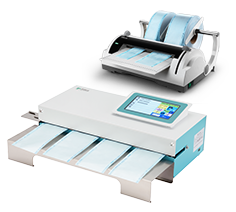
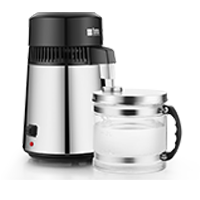
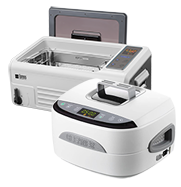
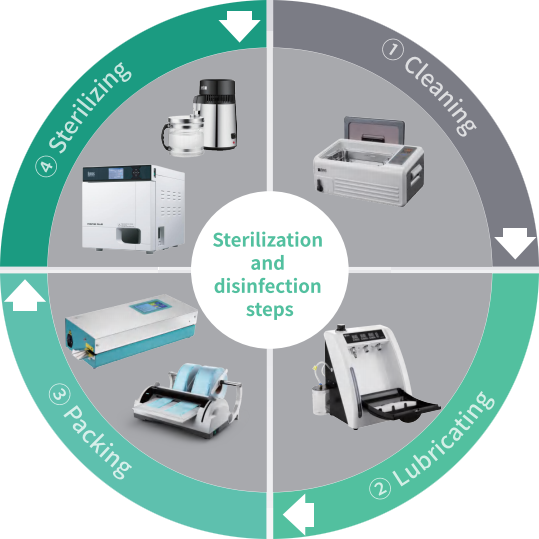
Water is the silent budget item. Tap water leaves scale on heaters and chamber walls, causing wet packs and corrosion, so use distilled or demineralized water as the maker specifies. Budget for door gaskets, bacterial filters, pouches, indicators and spore test ampoules. Schedule yearly preventive maintenance and calibration, and ask who stocks spares locally. Imported parts can mean weeks of downtime, which a small clinic cannot absorb. Some suppliers offer full workflow ranges covering sterilizers, sealers, distillers and ultrasonic cleaners, and a few promote a "Flawless Sterility" philosophy. A slogan is not a certification, so ask for documents and response-time commitments.
Installments and PhilGEPS procurement
Private buyers can often negotiate installment plans, but check whether warranty and service contracts are included. Government facilities buy through PhilGEPS, where technical specifications drive bids. Writing "class B per EN 13060, with printer or data logger, CMDR-registered" into the specification protects you from cheaper, non-equivalent offers.
Validation and monitoring: keeping sterilization provable
Use mechanical, chemical and biological monitoring together. Indicator tape alone shows only that a package saw heat, not that spores died. Good steam sterilization is a routine you can document, and the right autoclave sterilizers medical program makes that routine easy.
A daily cycle routine
- Clean instruments, rinse and dry them, then inspect for residue.
- Pack in pouches or wraps with an internal chemical indicator.
- Fill the reservoir with distilled water to the marked level.
- Load without overcrowding, leaving space for steam circulation.
- Run the cycle that matches the load, such as the 134°C wrapped program.
- Check the printout or digital log for temperature, pressure and time.
- Release only dry, intact packs, then record the cycle number and operator.
Does indicator tape prove sterility?
No. Tape is a process indicator that confirms exposure, nothing more. Treating a color change as proof is one of the most common myths in small clinics. Biological indicators contain resistant spores and are the only routine test that directly challenges the process. Pre-vacuum hospital sterilization equipment also uses a Bowie-Dick or equivalent air-removal test, while benchtop class B units typically use a helix or process challenge device as the maker specifies.
According to CDC infection control guidance, sterilization should be monitored with mechanical, chemical and biological indicators together, because no single indicator confirms every aspect of the process. (Paraphrased from CDC disinfection and sterilization guidance.)
That position is consistent with the CDC's published sterilization guidelines, which most infection control equipment programs follow.
How often should you run a spore test?
CDC dental guidance recommends biological monitoring at least weekly, with every load containing implantable devices, and after repairs or relocation. Many Philippine clinics adopt a weekly spore test plus a log entry. Busy practices may test more often. Keep a control vial from the same lot, and record results in the same book as your cycles.
Troubleshooting failed cycles and wet packs
If a biological indicator is positive, stop using the unit, quarantine recent loads, recheck loading and water, repeat the test, and call service if it fails again. Wet packs usually trace to overloading, scale or poor-quality water, wrong packaging or a weak drying stage. Aborted cycles suggest door seal, power or sensor problems. Written failure steps on the wall beat memory during a busy clinic day.
Choosing by facility type
Small clinics and dental practices should default to class B. Lying-in clinics and ambulatory surgery centers need class B at larger capacity, and laboratories often need vertical units with liquid and waste cycles. The table summarizes the typical fit; capacities are approximate and vary by model.
| Setting | Suggested type | Approx. chamber | Space and cycle notes |
|---|---|---|---|
| General sterilizer for clinic | Class B tabletop | 16–24 L | Counter space, 220V outlet |
| Dental clinic | Class B (or validated S) | 16–24 L | Handpiece cycle, pouch sealer nearby |
| Lying-in clinic | Class B, larger benchtop | 24 L or more | Instrument sets, textiles; two units for backup |
| Ambulatory surgery | Large class B or vertical | Larger than benchtop | Dedicated reprocessing room |
| Laboratory | Vertical autoclave for laboratory | 50 L or more | Media, waste and liquid cycles |
Small clinics and dental practices
For a sterilizer for clinic use with mixed pouched instruments, a class B benchtop autoclave is the practical answer. A tabletop autoclave of 16–24 litres usually suffices for one or two chairs, provided you plan the instrument rotation. Cycle length matters more than chamber size when instruments are scarce. Remember that class S can be acceptable if your load is fixed and validated. That is a narrower path, and it requires discipline.
Lying-in, surgical and laboratory settings
Birthing and minor-surgery units process more sets per day, so capacity and a backup machine matter. Laboratories are different. Media, liquids and biohazard waste need cycles that benchtop class B units are not designed for, so choose a vertical or dedicated laboratory autoclave and verify its liquid program. Larger hospitals move toward double-door CSSD systems, which sit beyond this article's scope.
Composite case: a two-chair dental clinic
This is an illustrative scenario, not a named client. A clinic bought a class N unit and began pouching handpieces after a patient asked about packaging. Spore tests started failing intermittently, because air stayed trapped in the lumens. The clinic replaced the unit with a class B steam autoclave sterilizer, rewrote its log sheet and trained staff on weekly spore tests. Failures stopped. The lesson: buy for the load you will have in two years, not the one you have today.
Conclusion
Class B meets the broadest medical standard, because it handles wrapped, hollow and porous loads with documented results. Class S is acceptable only for validated, fixed loads. Whichever you pick, verify Philippine registration, confirm 220V compatibility, plan water and servicing, and prove sterility with spore tests. Done properly, autoclave sterilizers medical programs protect patients and satisfy inspectors. Always consult your infection control officer or regulator for facility-specific requirements, since no equipment guarantees absolute results.
Frequently asked questions
Q: Is class B always required for dental clinics?
A: Not by every rule, but it is the safest choice. Dental handpieces and pouched instruments need effective air removal. A class S unit may work if the maker validates those exact loads, so ask for the declared load list in writing.
Q: Can a pressure cooker replace a medical autoclave?
A: No. A household pressure cooker lacks validated cycles, controlled air removal and cycle records. It may disinfect, but it cannot reliably deliver or document sterilization of clinical instruments, so it should not be used in patient care.
Q: What voltage does an autoclave need in the Philippines?
A: Most Philippine facilities have 220V, 60Hz supply. Confirm the machine's rating before buying, use a dedicated circuit, and consider a voltage regulator if power fluctuates, since brownouts can interrupt cycles.
Q: How long should autoclave records be kept?
A: Retention rules vary by facility type and licensing conditions. Keep cycle logs, spore test results and maintenance reports, and confirm the required retention period with your DOH licensing office or regulator.
Disclaimer: This article is intended for general informational purposes only and should not be considered a substitute for professional guidance, applicable regulatory requirements, or the manufacturer's instructions for use (IFU).
More

No.205 Guangyuan Road Jiangbei District Ningbo 315033 CHINA