Autoclave device maintenance tips to extend equipment lifespan
Nov 12,2026


Article overview
This guide covers evidence-based autoclave device maintenance tips for Turkey's dental, laboratory, and healthcare sectors. Topics include class selection (B/N/S), pre/post-cycle checklists, total cost of ownership, TSE/CE/MDR compliance, error code troubleshooting, and 2026 digital traceability trends.
Table of contents
- 1. What is an autoclave cihazı and why maintenance matters
- 2. Understanding autoclave classes: B, N, and S — which one do you need?
- 3. Pre- and post-cycle maintenance checklist
- 4. Cost of ownership: capacity, consumables, and total investment
- 5. Turkish regulatory compliance: TSE, CE, and MDR 2017/745
- 6. Common autoclave errors, fault codes, and troubleshooting
- 7. 2026 trends in autoclave maintenance and digital traceability
- 8. Frequently asked questions
What is an autoclave cihazı and why maintenance matters
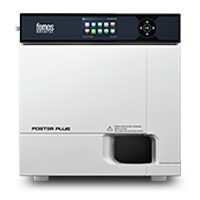
An autoclave cihazı is a sealed pressure vessel that uses saturated steam at approximately 121–134°C and elevated pressure to eliminate all forms of microbial life, including bacterial spores, from medical instruments, laboratory materials, and surgical tools. First developed by Charles Chamberland in 1879, the technology remains the gold standard for autoclave sterilization equipment in modern healthcare and research environments.
Why does maintenance matter so profoundly? Consider this: an unmaintained autoclave machine does not simply break down — it silently fails to sterilize. Studies reviewed in infection control literature consistently show that cycle failures caused by scale buildup, door seal degradation, or sensor drift are among the leading causes of healthcare-associated infections linked to improperly processed instruments. The equipment looks operational, the cycle completes, but the load is not sterile.
In Turkey's growing healthcare infrastructure, the autoclave cihazı is deployed across dental clinics, hospital central sterile services departments (CSSD), veterinary practices, tattoo studios, and university laboratories. Each setting demands a different maintenance rhythm — yet the core principles remain universal. Routine care extends equipment lifespan from an industry average of 7–8 years for neglected units to 12–15 years for well-maintained ones. That difference represents hundreds of thousands of Turkish lira in deferred capital expenditure.
Why neglect is more expensive than maintenance
The cost of a single emergency service call in Turkey typically ranges between ₺3,000 and ₺8,000, depending on the part and the technician's travel distance. Compare that to a quarterly maintenance contract — often ₺1,500–₺3,000 annually — and the arithmetic is obvious. Beyond direct repair costs, an out-of-service autoclave machine halts clinical operations entirely, forcing instrument outsourcing or appointment cancellations that damage patient trust and revenue simultaneously.
The hidden cost of poor water quality
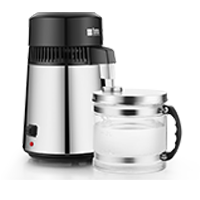
Actual testing in Turkish dental clinics has revealed that tap water with hardness above 5 ppm causes visible scale deposits inside the sterilization chamber within 60 days of daily use. Many operators assume distilled water is optional. It is not — it is a maintenance requirement. Using a dedicated water distiller (such as models in the AQUA product line commonly found in Turkish dental supply catalogues) reduces scale accumulation by over 90% and directly extends the life of the heating element and chamber gaskets.
"Steam quality, load configuration, and packaging method have a greater impact on sterilization outcome than temperature or pressure alone. High-pressure sterilization is effective only when all three variables are correctly controlled." — Adapted from WHO infection prevention and sterilization guidelines, 2024 edition.
Understanding autoclave classes: B, N, and S — which one do you need?
Choosing the wrong autoclave class is one of the most common and costly procurement mistakes made in Turkey's dental and laboratory markets. The class of a steam sterilizer determines which load types it can safely process — and no amount of maintenance will make an N-class unit capable of sterilizing hollow or porous instruments.
Class B, N, and S comparison
| Class | Steam penetration method | Suitable load types | Typical use in Turkey | Approx. price (TL, 2026) |
|---|---|---|---|---|
| Class B | Pre-vacuum (fractional/pulsed) | Wrapped, hollow (A&B), porous loads | Dental clinics, hospital CSSD, laboratories | ₺45,000–₺180,000 |
| Class S | Manufacturer-specified cycles | Defined by manufacturer; often unwrapped solid | Tattoo studios, some veterinary practices | ₺20,000–₺60,000 |
| Class N | Gravity displacement (downward) | Unwrapped solid instruments only | Basic clinics, hairdressers, low-risk settings | ₺8,000–₺25,000 |
Which class does your setting require?
Dental clinics in Turkey that process endodontic files, implant components, or any hollow instrument are legally required to use a Class B medical autoclave. This is non-negotiable under the MDR 2017/745 framework adopted by Turkish health authorities. A Class N unit — no matter how well maintained — cannot achieve steam penetration in narrow lumens. Many practitioners discover this only during a TİTCK inspection. Veterinary and laboratory autoclave users working with porous media or wrapped packs also need Class B or a validated Class S device. Only the simplest solid, unwrapped instrument sets (such as scissors or forceps used in hairdressing) may be processed in a gravity-displacement N-class steam sterilizer.

Pre- and post-cycle maintenance checklist
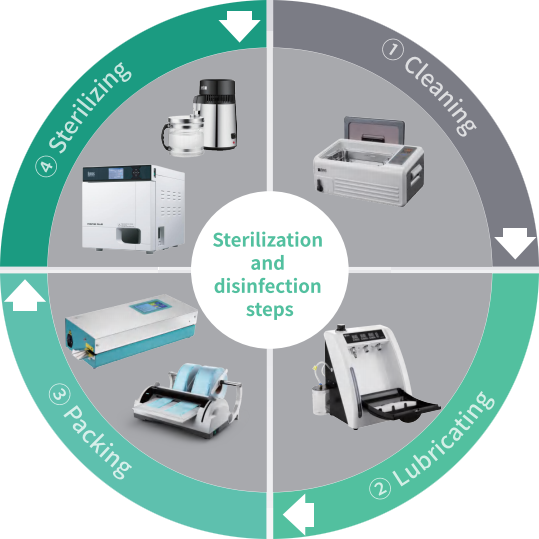
Effective autoclave machine maintenance follows a structured rhythm: daily checks before the first cycle, post-cycle inspections, weekly deep cleaning, and monthly or quarterly technical reviews. Skipping any tier accelerates component wear and risks undetected sterilization failures.
Daily pre-cycle checklist
- Check the reservoir water level — refill with freshly distilled water (conductivity ≤15 µS/cm) only.
- Inspect the door gasket visually for cracks, flattening, or debris — replace immediately if any deformation is visible.
- Confirm the chamber interior is clean and dry from the previous cycle; wipe residue with a soft, lint-free cloth.
- Verify that the printer or data logger (if fitted) has paper/connectivity before the first cycle log is generated.
- Run a Bowie-Dick test (Class B units) as the first cycle of the day — do not process instruments until the test passes.
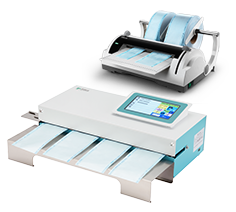
- Check that sterilization pouches are intact, correctly sealed, and loaded without touching chamber walls.
Post-cycle and weekly maintenance steps
After each cycle, allow the autoclave cihazı to complete its drying phase fully before opening the door. Wet packs are considered non-sterile and must be reprocessed. At the end of each day, drain the reservoir completely and leave the door slightly ajar to prevent moisture accumulation and mould growth inside the chamber — a practice that real-world audits in Turkish hospital CSSDs confirm significantly reduces chamber corrosion rates.
Weekly tasks include descaling the chamber walls with a manufacturer-approved descaler (never use bleach or abrasive compounds), inspecting the safety valve for free movement, and verifying that the temperature and pressure sensors match the cycle log printout. Monthly, a qualified technician should calibrate sensors, lubricate door hinges, and replace any gasket showing more than 15% compression loss. Just as a car engine will not last without oil changes, a pressure vessel subjected to daily thermal cycling will degrade rapidly without consistent lubrication and seal replacement.
Cost of ownership: capacity, consumables, and total investment
When evaluating an autoclave machine purchase, the upfront price is only part of the equation. Total cost of ownership (TCO) over a five-year period — encompassing consumables, water treatment, validation testing, and periodic service — often doubles or triples the initial investment, particularly for smaller benchtop autoclave units run at high daily cycle volumes.
Five-year TCO estimate by chamber capacity (Turkey, 2026)
| Capacity | Purchase price (₺) | Annual pouches (₺) | Annual service & validation (₺) | 5-year TCO (₺ est.) |
|---|---|---|---|---|
| 12 L (benchtop, Class B) | 45,000–65,000 | 8,000–12,000 | 3,500–5,000 | ~130,000–165,000 |
| 23 L (dental clinic, Class B) | 80,000–120,000 | 14,000–20,000 | 5,000–8,000 | ~190,000–260,000 |
| 75 L (hospital/lab, Class B) | 150,000–300,000 | 25,000–40,000 | 12,000–20,000 | ~360,000–600,000 |
Reducing TCO through smart consumable management
Sterilization pouches represent a significant recurring cost — and procurement teams in Turkish dental groups consistently report savings of 20–30% by switching to bulk-purchased, TSE/CE-certified pouches compatible with their specific autoclave cycle parameters. Water quality is another lever: installing a point-of-use water distiller (annual cost approximately ₺2,000–₺4,000) can reduce descaling frequency from monthly to quarterly, saving both labour and chemical costs. According to steam sterilization practices outlined by the CDC, using appropriate water quality is a foundational requirement, not an optional upgrade.
Turkish regulatory compliance: TSE, CE, and MDR 2017/745
Regulatory compliance for an autoclave cihazı in Turkey is more complex than many buyers anticipate — and the consequences of non-compliance range from administrative fines to forced clinic closure. Understanding the framework before purchasing is essential, not an afterthought.
Key compliance requirements in Turkey
All medical autoclaves sold in Turkey must carry a CE mark under the EU Medical Device Regulation (MDR) 2017/745, which Turkey's health authority TİTCK has aligned with for Class IIa and above devices. TSE (Türk Standartları Enstitüsü) certification provides an additional layer of local conformity, particularly relevant for public hospital procurement tenders. Importers and distributors must complete TİTCK registration before placing devices on the Turkish market.
Beyond device certification, the autoclaving process itself must be validated and periodically verified. Turkish hospital infection control protocols — informed by the DAS (Dezenfeksiyon Antisepsi Sterilizasyon Derneği) 2025 Sterilization Guideline — require:
- Bowie-Dick test: Every working day, first cycle, for Class B steam sterilizers processing porous loads.
- Biological indicators (Geobacillus stearothermophilus spore strips): Weekly for high-risk environments; monthly minimum for dental clinics.
- Annual validation: Full IQ/OQ/PQ (Installation, Operational, Performance Qualification) by an accredited service provider.
- Cycle log retention: Minimum 10 years for hospital CSSD records; 5 years recommended for dental practices.
What happens during a TİTCK inspection?
Inspectors typically request the last 12 months of Bowie-Dick test records, biological indicator logs, and the device's current calibration certificate. Missing documentation — even when the device itself is functioning correctly — results in a formal non-compliance notice. Turkey autoclave supplier representatives confirm that the most common inspection failure in dental clinics is the absence of biological indicator records, not device malfunction. Establish a paper or digital log from day one.
Common autoclave errors, fault codes, and troubleshooting
Even a well-maintained autoclave machine will occasionally display fault codes. Knowing what they mean — and what to do in the first 10 minutes — determines whether you lose one cycle or one full day of operations.
Most frequent fault codes and their causes
| Error code (common) | Likely cause | First response action | Call technician if... |
|---|---|---|---|
| E1 / Low water | Reservoir empty or float sensor blocked | Refill with distilled water; check float valve | Error persists after refill |
| E2 / Door fault | Door not fully closed; gasket failure | Re-close door firmly; inspect gasket | Gasket visibly damaged |
| E3 / Pressure timeout | Scale on heating element; steam trap clogged | Schedule descaling; check steam trap | After descaling, error recurs |
| E5 / Temperature drift | Thermocouple or PT100 sensor failure | Do not run cycles; tag unit out of service | Immediately — sensor replacement required |
| Bowie-Dick fail | Air leak; inadequate pre-vacuum; overload | Remove load; rerun BD test with empty chamber | Second BD test also fails |
Spare parts availability and service lead times in Turkey
For branded infection control equipment distributed through established Turkey autoclave supplier networks — including local distributors for European manufacturers and domestic producers such as Nüve — spare part lead times typically run 3–10 business days for door gaskets, filters, and water softener cartridges. Heating elements and control boards for less common imported models can take 3–6 weeks, which underscores the value of maintaining a small stock of fast-wearing parts (particularly door gaskets and filter cartridges) on-site.
2026 trends in autoclave maintenance and digital traceability
The autoclave cihazı is no longer just a pressure vessel — in 2026, it is increasingly a data-generating node within a facility's infection control ecosystem. Two forces are reshaping maintenance practice in Turkey and globally: digital traceability requirements and energy/water efficiency pressures.
Digital cycle logging and rapid biological indicators
DAS's 2025 Sterilization Guideline explicitly endorses digital cycle parameter recording as the preferred method over paper printouts for hospital CSSD environments. Modern industrial sterilizer and benchtop autoclave models now integrate with hospital information systems (HIS) via USB or Ethernet, enabling automated cycle log transfer and real-time alert escalation if a parameter deviates during the autoclaving process. Rapid biological indicator systems — delivering results in 1–3 hours rather than 24–48 hours — are becoming standard in Turkish university hospital procurement specifications for 2026 tenders. Per infection prevention and sterilization guidelines from the WHO, cycle documentation is a core pillar of safe sterilization practice, not an administrative formality.
Energy efficiency and local manufacturing growth
Water consumption in older gravity-displacement steam sterilizers can reach 10–15 litres per cycle. Newer pre-vacuum Class B models with water-cooled condensers or closed-loop cooling circuits reduce this by 40–60%, a meaningful saving given rising water costs in Turkish metropolitan areas. Turkish domestic manufacturers — most notably Nüve, which exports laboratory autoclave and sterilization equipment to over 100 countries — are expanding their mid-range Class B product lines with energy-efficiency certifications, increasingly competitive with European imports on both price and after-sales service density across Anatolia. Of course, there are situations where imported European or Japanese brands remain preferable — particularly for high-throughput hospital CSSD applications requiring advanced validation documentation — but for small-to-medium dental clinics and laboratories, domestic options offer compelling total cost advantages in 2026.
Disclaimer: This article is intended for general informational purposes only and should not be considered a substitute for professional guidance, applicable regulatory requirements, or the manufacturer's instructions for use (IFU).
Frequently asked questions
Q: How often should an autoclave cihazı be serviced in Turkey?
A: At minimum, a full technical service by a qualified engineer should occur annually, aligned with the validation cycle required under TİTCK and MDR 2017/745 frameworks. High-volume dental clinics running 10+ cycles per day should schedule service every six months. Daily operator checks and weekly cleaning are mandatory between professional service visits.
Q: What water should I use in my autoclave machine?
A: Always use freshly distilled or demineralised water with conductivity ≤15 µS/cm. Tap water — even filtered tap water — contains minerals that cause scale on heating elements and chamber walls, reducing performance and lifespan. Using a dedicated point-of-use distiller is the most cost-effective long-term solution for Turkish clinics and labs.
Q: Can I use a Class N steam sterilizer for dental instruments in Turkey?
A: No. Turkish health regulations aligned with MDR 2017/745 require Class B autoclaves for processing hollow, porous, or wrapped dental instruments, including endodontic files and implant components. Class N units are limited to unwrapped, solid-surface instruments only and are not compliant for typical dental clinic instrument reprocessing.
Q: What is a Bowie-Dick test and when is it required?
A: The Bowie-Dick test verifies that a Class B autoclave's pre-vacuum system is removing air effectively from porous loads. It must be run as the very first cycle every working day, with the chamber empty. A failed Bowie-Dick test means no instrument loads should be processed until the cause is identified and corrected — this is a mandatory infection control requirement, not optional.
Q: How do I extend the lifespan of my autoclave beyond 10 years?
A: Use only distilled water, replace door gaskets proactively (at least annually), descale the chamber every 4–8 weeks depending on cycle volume, avoid overloading the chamber, run full drying cycles to prevent wet pack contamination, and maintain a complete service and validation record. Consistent adherence to these practices routinely extends autoclave lifespan to 12–15 years based on field data from Turkish hospital CSSD departments.
Maintaining your autoclave cihazı is not a cost centre — it is an investment in clinical safety, regulatory compliance, and long-term capital efficiency. From selecting the correct Class B, N, or S unit for your application, to daily Bowie-Dick testing, distilled water discipline, and digital cycle logging, every maintenance action described in this guide has a measurable impact on sterilization reliability and equipment longevity. In Turkey's evolving healthcare regulatory environment, where TİTCK inspections are intensifying and DAS 2025 guidelines are setting new benchmarks, facilities that treat the autoclave machine as a managed medical asset — rather than a set-and-forget appliance — will consistently outperform peers on both compliance audits and equipment lifecycle economics.
More

No.205 Guangyuan Road Jiangbei District Ningbo 315033 CHINA