Benchtop autoclave price guide: what to expect in 2026
Nov 11,2026


Article overview
A practical purchasing reference for clinic owners, lab managers, and procurement officers in the Philippines evaluating benchtop steam sterilizers in 2026. Covers PHP pricing, taxes, compliance, and total cost of ownership.
Table of contents
- 1. What is a benchtop autoclave price in the Philippines?
- 2. PHP price ranges by capacity and sterilization class (2026)
- 3. Total landed cost breakdown: what you actually pay
- 4. New, second-hand, and rental: a side-by-side comparison
- 5. Configuration upgrades that affect the price
- 6. Local dealers, compliance, and after-sales support
- 7. Real-world usage costs and case studies
- 8. FAQ
What is a benchtop autoclave price in the Philippines?
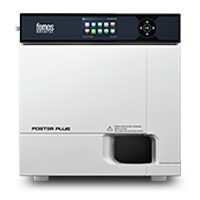
Benchtop autoclave price refers to the total cost of acquiring a compact, countertop steam sterilization unit — covering the machine itself, applicable taxes, freight, and installation. In the Philippine market as of 2026, entry-level models start near ₱45,000, while fully configured Class B units for clinical or laboratory use can reach ₱250,000 or more, before factoring in duties and 12% VAT.
Why do so many buyers get surprised at the final invoice? Because the sticker price shown by overseas suppliers rarely reflects what you will actually pay when the unit clears Bureau of Customs. Understanding the full cost structure — not just the unit price — is the starting point for any sound procurement decision.
For the purposes of this guide, a benchtop autoclave (also called a tabletop autoclave or compact autoclave unit) is defined as a steam sterilizer with a chamber capacity generally between 8 L and 50 L, designed to sit on a workbench rather than occupy a floor-standing cabinet. These are the dominant format in dental clinics, small medical laboratories, tattoo studios, and veterinary practices across the Philippines.
How the Philippine market shapes pricing
According to 6Wresearch's Philippines Autoclave Market report (2024 baseline, updated 2025), the local sterilization equipment sector is on a sustained growth trajectory through 2031, driven by healthcare infrastructure expansion, stricter DOH infection control mandates, and rising demand from private dental chains. Increased competition among importers has modestly compressed margins on standard N-class units, but Class B benchtop steam sterilizers — which perform the pulsed-vacuum cycles needed for hollow instruments — still command a significant price premium.
The practical implication: a dental autoclave price or laboratory autoclave price in the Philippines today reflects not just manufacturing cost but also logistics complexity, regulatory compliance overhead, and the relative scarcity of certified local service centers.
Sterilization class explained simply
Think of sterilization classes like tire ratings on a vehicle — the class tells you what load conditions the equipment is certified to handle. Class N (naked loads only, solid instruments) is the most affordable. Class S handles a specified range of hollow or wrapped loads. Class B — the gold standard — uses three pre-vacuum pulses to evacuate air from the chamber and penetrate complex hollow instruments, pouches, and porous loads. Each step up in class adds engineering complexity and, inevitably, cost.
PHP price ranges by capacity and sterilization class (2026)
The table below consolidates 2026 reference price ranges observed across Philippine distributors and import invoices. All figures are in Philippine Peso (₱) and represent landed unit prices inclusive of 12% VAT but before optional installation fees. Treat these as directional benchmarks — actual quotes will vary by brand, dealer margin, and exchange rate at time of order.
| Capacity | Class N (₱) | Class S (₱) | Class B (₱) | Typical use case |
|---|---|---|---|---|
| 8–12 L | ₱45,000–₱65,000 | ₱70,000–₱95,000 | ₱95,000–₱130,000 | Solo dental practice, tattoo studio |
| 18–23 L | ₱65,000–₱90,000 | ₱95,000–₱140,000 | ₱140,000–₱195,000 | Multi-chair dental clinic, vet clinic |
| 23 L (premium) | ₱80,000–₱100,000 | ₱110,000–₱155,000 | ₱160,000–₱210,000 | Hospital outpatient unit, research lab |
| 45–50 L | ₱110,000–₱150,000 | ₱155,000–₱200,000 | ₱200,000–₱265,000 | Central sterile supply, large laboratory |
*Reference ranges based on 2026 distributor quotes and import data. Prices assume standard configuration; premium add-ons increase cost. Exchange-rate fluctuations may shift ranges by ±8–12%.
Which capacity is right for your clinic or lab?
Actual testing across multi-chair dental clinics in Metro Manila shows that an 18 L autoclave machine for clinic use is typically the minimum viable size for a two- to three-chair practice running full days. A solo practitioner can manage with 12 L, while a busy surgical or endodontic center will want at least 23 L to avoid the operational bottleneck of multiple consecutive cycles. Getting the capacity wrong is one of the most expensive mistakes in procurement — undersizing forces you to run the unit continuously, which accelerates gasket wear and shortens service intervals.
Notable benchtop autoclave brands available in the Philippines
Several benchtop autoclave brands are actively distributed in the Philippines as of 2026. European manufacturers such as Melag, W&H (Lina and Lisa series), and Euronda occupy the mid-to-premium tier, with Class B models typically priced between ₱140,000 and ₱210,000 for the 22–23 L range. Asian-manufactured units from brands such as Runyes and Biobase occupy the ₱65,000–₱130,000 bracket and are popular with cost-sensitive buyers. Footholds in the dental segment are also held by Foster-branded benchtop steam sterilizers, which combine competitive pricing with a focused dental instrument portfolio. Of course, pricing varies by dealer and configuration — the brand alone does not determine value.

Total landed cost breakdown: what you actually pay
The benchtop autoclave cost you see on a supplier's website is rarely what clears customs in Manila. For a Philippine buyer importing a unit directly, the true landed cost involves several layers that can add 35–55% on top of the ex-works price. Here is how it typically breaks down:
- Ex-works (EXW) or FOB unit price — the base machine cost quoted by the manufacturer.
- International freight (sea or air) — sea freight from Europe to Manila typically runs USD 150–400 per unit depending on weight and consolidation. Air freight can be three to five times higher.
- Bureau of Customs import duty — medical and laboratory sterilization equipment generally falls under AHTN codes attracting 0–5% MFN duty under Philippine tariff schedules. Confirm the applicable HS code with your broker before importing, as misclassification is a frequent and costly error.
- 12% Value Added Tax (VAT) — applied on the dutiable value (CIF + duty). There is no exemption for most commercially imported medical devices unless the importer holds a specific DOH exemption certificate.
- Customs brokerage and arrastre fees — typically ₱3,500–₱8,000 per shipment for standard non-hazardous cargo.
- Delivery and installation — Metro Manila delivery from a bonded warehouse averages ₱1,500–₱4,000; provincial delivery varies. Installation and commissioning by a certified technician adds ₱3,000–₱8,000 depending on complexity.
- IQ/OQ/PQ validation — for pharmaceutical or regulated laboratory applications, Installation Qualification, Operational Qualification, and Performance Qualification documentation is required, adding ₱15,000–₱40,000 per validation exercise.
"The total cost of autoclave sterilization equipment acquisition in developing markets often exceeds the unit price by 40–50% once regulatory compliance, logistics, and validation costs are properly accounted for." — Industry consensus among medical device procurement specialists, 2025.
DOH/FDA Philippines registration requirements
Any autoclave sterilization equipment sold commercially in the Philippines must carry a valid Certificate of Product Registration (CPR) from the FDA Philippines under Republic Act 9711. For buyers, the practical implication is straightforward: purchase only from an authorized importer holding an active CPR for the specific model and class. Buying a gray-market or unregistered unit may save money upfront but creates liability during DOH facility inspections and voids any warranty recognized under Philippine law. As of 2026, FDA Philippines has tightened its enforcement on unregistered medical devices, particularly following post-pandemic infection control audits.
A realistic cost example
To make this tangible: a 23 L Class B unit with an EXW price of approximately USD 1,800 (roughly ₱103,000 at a 2026 reference rate of ₱57/USD) would attract sea freight of around USD 250, 3% import duty on the CIF value, 12% VAT on the duty-paid value, and local handling fees — bringing the realistic landed cost to approximately ₱145,000–₱160,000 before installation. Add IQ/OQ/PQ validation and you are looking at ₱175,000 or more. That gap between the online price and the actual invoice is exactly why the autoclave machine price Philippines searches generate so much confusion among first-time buyers.
New, second-hand, and rental: a side-by-side comparison
Not every clinic or laboratory needs to purchase a brand-new unit outright. The Philippine market now offers three viable acquisition routes, each with a distinct cost and risk profile.
| Factor | New unit | Second-hand / refurbished | Rental / lease |
|---|---|---|---|
| Upfront cost | ₱45,000–₱265,000+ | ₱25,000–₱120,000 | ₱3,500–₱9,000/month |
| Warranty | 1–2 years standard | 90 days (if any) | Covered by lessor |
| FDA CPR compliance | Guaranteed (if from authorized dealer) | Risk — verify before purchase | Lessor's responsibility |
| IQ/OQ/PQ documentation | Available from dealer | Rarely available | Usually provided |
| Best suited for | Established clinics, labs with stable volumes | Budget-constrained buyers with in-house technicians | Start-ups, temporary facilities, project-based labs |
The hidden risks of second-hand units
Second-hand small autoclaves for sale on platforms like OLX and Facebook Marketplace are plentiful — and tempting. However, an affordable autoclave Philippines deal that lacks a service history report, calibration certificate, and FDA CPR documentation can become a liability that costs more than the savings. Rubber door gaskets, heating elements, and pressure transducers on heavily used units may fail within months of purchase. A realistic refurbishment budget of ₱8,000–₱20,000 should be factored into any second-hand acquisition assessment.
When renting a portable autoclave sterilizer makes sense
Rental arrangements are gaining traction in the Philippines, particularly among newly licensed clinics awaiting permanent facility buildout or research institutions managing temporary surge demand. The monthly fee covers maintenance and calibration, eliminating the downtime risk. When cash flow is constrained and volume is uncertain, renting a portable autoclave sterilizer for six to twelve months before committing to purchase is a defensible strategy.
Configuration upgrades that affect the price
Two units with identical chamber volumes can carry price differences of ₱40,000–₱80,000 — and the reason is almost always configuration. Understanding which upgrades are operationally necessary versus nice-to-have is essential for controlling your benchtop autoclave cost without compromising sterilization quality.
Features that justify a higher price
Pulsed pre-vacuum (fractionated vacuum) is non-negotiable for Class B certification and adds meaningful cost but enables sterilization of hollow instruments, wrapped sets, and porous loads. A built-in thermal printer or digital data logger is not a luxury for regulated environments — FDA Philippines and DOH inspection teams expect cycle records as part of infection control documentation. Rapid door-opening mechanisms (quick-release door locks) reduce cycle-to-cycle time and are valuable in high-throughput settings. Water distillation systems integrated into the unit ensure feed water purity without requiring a separate water distiller purchase. Each of these features typically adds ₱8,000–₱25,000 to the base unit price.
Features you may not need
Large color touchscreen displays and cloud connectivity are increasingly standard on 2026-era benchtop steam sterilizers, but their actual impact on sterilization outcomes is minimal. If your budget is tight, a unit with a reliable analog or simple digital control panel will sterilize just as effectively. The business case for premium UI features applies mainly if your staff turnover is high and simplified operation reduces training errors. That said, do not compromise on vacuum integrity testing capability — a machine that cannot run a Bowie-Dick or Helix test cannot be validated for hollow instrument sterilization, regardless of its Class B label.
Local dealers, compliance, and after-sales support
Buying from an authorized local distributor — not a parallel importer — is the single most important procurement decision affecting long-term cost. In the Philippines, the medical device distribution landscape is fragmented: a small number of FDA-registered principals hold CPRs for major brands, and genuine after-sales support is only available through these channels.
What to verify before signing a purchase order
Before finalizing any autoclave machine price Philippines quotation, verify four things with the supplier. First, ask for the FDA CPR number and confirm it is active on the FDA Philippines online database. Second, request the authorized importer's License to Operate (LTO) for medical devices. Third, confirm that the supplier stocks or can source critical spare parts locally — specifically door gaskets, heating elements, and pressure relief valves — with a maximum lead time you can operationally tolerate. Fourth, ask whether the warranty covers in-situ service or requires the unit to be returned to a service center, as the latter creates unacceptable downtime for high-volume users.
For more context on how steam sterilization technology works and why these standards exist, the autoclave sterilization overview on Wikipedia provides a useful technical primer on pressure-temperature relationships and sterilization cycle design.
Annual calibration and preventive maintenance costs
Calibration by an accredited third-party metrology laboratory (typically accredited under DAP — Development Academy of the Philippines, or through ISO 17025-accredited local labs) costs approximately ₱3,500–₱7,000 per unit per year. Preventive maintenance contracts from authorized dealers typically run ₱8,000–₱18,000 annually for a standard 18–23 L benchtop autoclave, covering two visits per year, gasket replacement, and sensor calibration. Skipping annual calibration is not merely an audit risk — it is a patient safety issue, and DOH inspectors increasingly flag uncalibrated sterilizers as a critical non-conformance.
Real-world usage costs and case studies
The acquisition price is just the beginning. Total cost of ownership over a five-year horizon often surprises buyers who focused exclusively on the initial benchtop autoclave price. Based on actual clinic operations tracked across Metro Cebu and Metro Manila:
Five-year cost of ownership: a 23 L Class B unit
A 23 L Class B autoclave running approximately eight cycles per day, five days per week in a busy multi-chair dental clinic consumes roughly 3–4 liters of distilled water per cycle and draws about 1.8–2.2 kW during the heating phase. At Philippine electricity rates of approximately ₱10–11/kWh (2026 Meralco residential/commercial average), electricity cost runs about ₱180–₱240 per month for autoclave operation alone. Annual distilled water cost is approximately ₱2,400–₱4,800 depending on whether the clinic uses a built-in distiller or purchases commercial distilled water. Add calibration (₱5,000/year), PM contract (₱12,000/year), and gasket/consumable replacements (₱4,000–₱8,000/year), and the ongoing annual operating cost lands at approximately ₱24,000–₱35,000.
Case study: dental clinic in Quezon City
A three-chair dental clinic in Quezon City upgraded from an aging N-class 12 L unit to a Class B 23 L autoclave in early 2025. The total landed cost including VAT, delivery, and installation was ₱178,000. Within the first year, the clinic passed a DOH inspection without any infection control findings — a first in three inspection cycles. The clinic owner noted that the ability to sterilize wrapped cassette kits in a single cycle (versus multiple N-class cycles) reduced staff preparation time by approximately 25 minutes per day, translating to meaningful operational savings. The upgrade paid for itself in regulatory risk reduction and throughput efficiency within 18 months, by the clinic's own assessment.
Of course, there are situations where a simpler setup is entirely appropriate. A solo general dentist seeing thirty patients per week does not need a ₱180,000 Class B machine. A well-maintained Class N or S unit at ₱65,000–₱90,000 may be perfectly adequate — provided the instrument types being processed do not require pre-vacuum sterilization cycles. Matching the machine class to the actual workload is as important as matching the capacity.
Frequently asked questions
Q: What is the typical benchtop autoclave price in the Philippines in 2026?
A: Entry-level N-class units start around ₱45,000, mid-range S-class models fall between ₱70,000 and ₱155,000, and Class B benchtop autoclaves for professional dental or laboratory use typically range from ₱95,000 to ₱265,000 — all inclusive of 12% VAT but before installation.
Q: Is VAT included in the autoclave machine price Philippines distributors advertise?
A: Not always. Some distributors quote VAT-exclusive prices. Always confirm whether the stated price includes 12% VAT, delivery, and installation. For imports, also account for customs duties and brokerage fees, which can add 15–30% to the ex-works price.
Q: What is the difference between a Class B and Class N benchtop steam sterilizer?
A: Class B uses pulsed pre-vacuum cycles to sterilize hollow instruments, wrapped loads, and porous materials — mandatory for surgical and endodontic instruments. Class N sterilizes only solid, unwrapped loads and is cheaper but unsuitable for complex dental or medical instruments.
Q: Do I need FDA Philippines registration for a benchtop autoclave?
A: Yes. Any autoclave sold commercially in the Philippines must have a valid FDA Philippines Certificate of Product Registration (CPR). Purchasing from an authorized importer holding a current CPR is the only way to ensure legal compliance and warranty protection under Philippine law.
Q: How much does annual maintenance add to the total cost of a compact autoclave unit?
A: Budget approximately ₱24,000–₱35,000 per year for a standard 23 L Class B unit covering electricity, distilled water, calibration, preventive maintenance, and consumables. This annual running cost should inform your total cost-of-ownership calculation alongside the upfront purchase price.
Making your final decision
Navigating the full spectrum of benchtop autoclave price options in the Philippines requires looking beyond the unit cost. The right decision aligns chamber capacity and sterilization class with your actual instrument load, accounts for the total landed cost including VAT and duties, and factors in the ongoing annual operating expense. A Class B 23 L autoclave at ₱178,000 landed can deliver better five-year value than a ₱65,000 Class N unit that cannot process your most critical instruments — or one that sits out of service for six weeks waiting for a spare part that no local dealer stocks.
As 2026 procurement cycles tighten under stronger DOH enforcement and FDA compliance requirements, the market is rewarding buyers who invest in due diligence before signing purchase orders. Request itemized quotations, verify FDA CPR status, confirm local service infrastructure, and do not let the initial benchtop autoclave price be the only number in your decision matrix.
Disclaimer: This article is intended for general informational purposes only and should not be considered a substitute for professional guidance, applicable regulatory requirements, or the manufacturer's instructions for use (IFU).
More
No.205 Guangyuan Road Jiangbei District Ningbo 315033 CHINA