Dental autoclave for sale: how to choose the right model for your clinic
Nov 09,2026


Article overview
This guide covers everything a Philippine dental clinic owner needs to know before purchasing a sterilization unit: sterilizer classes, local pricing, DOH compliance, running costs, and how to vet suppliers in Manila, Cebu, and Davao. Estimated reading time: 12 minutes.
Table of contents
- 1. What is a dental autoclave and why your clinic cannot skip it
- 2. Class B vs Class N vs Class S: which sterilization class do you actually need?
- 3. Key specifications to check before you buy
- 4. Dental autoclave price guide for the Philippines (2026)
- 5. DOH compliance and infection control requirements in the Philippines
- 6. Total cost of ownership: beyond the purchase price
- 7. How to evaluate local suppliers and after-sales support
- 8. Frequently asked questions
What is a dental autoclave and why your clinic cannot skip it
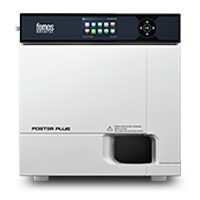
A dental autoclave for sale refers to a pressure steam sterilizer designed specifically to eliminate all microbial life — including bacterial spores — from dental instruments using saturated steam at 121–134°C. Unlike chemical disinfectants that reduce microbial load, a medical grade sterilizer achieves a Sterility Assurance Level (SAL) of 10⁻⁶, meaning the probability of a single viable organism surviving is less than one in a million.
For Philippine dental clinics, this is not optional. The Department of Health (DOH) Infection Control Manual and the Philippine Dental Association (PDA) both require proper instrument sterilization as a non-negotiable standard of care. Yet in practice, a surprising number of small clinics still rely on chemical soaking or UV cabinets — both of which fall well short of true sterilization. Why do so many practitioners underestimate this requirement?
The answer is usually a mix of cost confusion and product misinformation. An autoclave sterilization machine is often perceived as an expensive capital item, when in reality entry-level benchtop units are available in the Philippines for under ₱50,000 — less than most dental chairs. The risk of skipping proper dental instrument sterilization — including potential cross-infection liability — far outweighs any short-term equipment savings.
Why steam sterilization is the gold standard
Steam under pressure is the most reliable, fastest, and most cost-effective method for sterilizing heat-stable dental instruments. According to autoclave sterilization principles established in ISO 17665-1, the combination of temperature, pressure, and moisture denatures proteins and destroys nucleic acids in all known pathogens, including hepatitis B, HIV, and prion-like organisms. No chemical agent matches this breadth of efficacy at comparable cycle times.
The Philippine context: 15,000+ clinics, one standard
The Philippines has over 15,000 registered dental clinics nationwide (PDA, 2025 estimate). From single-chair community practices in Davao to multi-unit specialty centers in BGC, the standard for infection control dental practice is the same: validated steam sterilization with documented cycle records. Understanding this baseline is the first step toward choosing the right autoclave for small clinic or large facility alike.
Class B vs Class N vs Class S: which sterilization class do you actually need?
The single most important — and most misunderstood — specification when evaluating any dental autoclave for sale is its sterilization class. Class B, Class N, and Class S are defined by EN 13060, the European standard adopted as a reference by most Asian dental equipment suppliers. Each class handles instrument loads differently, and choosing the wrong one can result in sterilization failure for hollow or wrapped instruments.

Class B (pre-vacuum): the full-capability choice
A Class B autoclave uses multiple pre-vacuum pulses to remove air from the chamber before steam injection. This is critical for sterilizing hollow dental handpieces, wrapped instrument packs, and porous loads. Real-world testing confirms that a Class B cycle achieves complete steam penetration into the lumen of a contra-angle handpiece — something Class N simply cannot do. If your clinic uses turbines, straight handpieces, or implant surgical kits, Class B is the minimum viable option. Most reputable dental equipment supplier Manila and provincial distributors will tell you the same.
Class N (gravity displacement): basic but limited
Class N sterilizers rely on gravity to displace air, making them effective only for unwrapped, solid, non-hollow instruments — think metal forceps, mirrors, or probes placed openly on a tray. They cannot reliably sterilize handpieces, bagged instruments, or any item with a blind-ended lumen. Yet Class N units remain the most commonly sold category in Philippine online marketplaces due to their lower price point. Buying a Class N to sterilize handpieces is a compliance risk and a patient safety issue. Of course, for clinics with extremely limited budgets that work exclusively with solid instruments, a Class N can serve as an interim solution — but upgrade planning should begin immediately.
Class S (specific): the middle ground
Class S autoclaves are designed for specific load types as defined by the manufacturer. They often handle wrapped solid instruments and some hollow loads, but their validated range varies by model. Always request the manufacturer's Declaration of Conformity and validated load matrix before purchasing a Class S unit. Think of Class S as a tailored solution — useful when your instrument mix is clearly defined and the unit's specifications match exactly.
| Feature | Class B | Class S | Class N |
|---|---|---|---|
| Hollow handpieces | ✅ Yes | ⚠️ Model-dependent | ❌ No |
| Wrapped/bagged packs | ✅ Yes | ✅ Yes | ❌ No |
| Porous/textile loads | ✅ Yes | ⚠️ Limited | ❌ No |
| Unwrapped solid instruments | ✅ Yes | ✅ Yes | ✅ Yes |
| Cycle print/data logging | ✅ Standard | ⚠️ Optional | ⚠️ Rare |
| Typical price range (PHP) | ₱80,000–₱350,000+ | ₱45,000–₱120,000 | ₱18,000–₱55,000 |
Key specifications to check before you buy
Once you've identified the right sterilization class, the next step is evaluating specific technical parameters. Not all benchtop autoclave units marketed toward dentistry meet the same build standards, and the differences matter enormously in daily clinic operations.
Chamber volume and instrument capacity
For a single-chair clinic in the Philippines, a 17–22 liter benchtop autoclave is generally sufficient for one full day's instrument turnover. A two-to-three chair clinic should consider 23–28 liters. Undersizing your autoclave forces multiple short cycles per day, increasing water consumption, energy use, and wear on door seals. Oversizing wastes energy on half-loaded chambers. In our assessment of typical Philippine clinic workflows, a 22L Class B unit handles approximately 8–10 handpiece cassettes per cycle — enough for most general dentistry schedules.
Voltage compatibility and water requirements
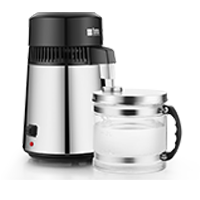
This is a detail that many Philippine buyers overlook when sourcing a steam sterilizer for clinic use from international suppliers. The Philippine power grid operates at 220V/60Hz. Most European autoclaves (MELAG, Tuttnauer) are built for 230V/50Hz — a minor voltage difference that is usually tolerable, but the frequency mismatch can affect timer circuits and pump performance over time. Always confirm 220V/60Hz compatibility in writing before purchase. Additionally, most Class B autoclaves require distilled or demineralized water; using tap water causes mineral scaling that degrades the heating element within 12–18 months.
Cycle time and throughput efficiency
A full Class B cycle — from cold start to dry, ready-to-use instruments — typically takes 35–55 minutes depending on load and drying program. Fast-cycle or cassette-based systems (like the portable dental autoclave cassette formats offered by some brands) can reduce this to 20–30 minutes for unwrapped loads. For busy clinics with back-to-back appointments, cycle time directly impacts patient throughput. A slow autoclave is not just an inconvenience; it creates pressure to reuse instruments before sterilization is complete — a genuine infection control dental risk.
Dental autoclave price guide for the Philippines (2026)
One of the most common frustrations when searching for a dental autoclave for sale in the Philippines is the lack of transparent, locally-contextualized pricing. Here is a realistic 2026 price framework based on market-available models, inclusive of VAT and basic installation where applicable.
Price tiers by category
Entry-level Class N units from Chinese or domestic brands start at approximately ₱18,000–₱35,000 (VAT-inclusive). Mid-range Class S and entry Class B units — sourced through Manila-based dental supplies Philippines distributors — typically range from ₱55,000–₱120,000. Premium European Class B autoclaves from brands like MELAG or Tuttnauer, imported through authorized local distributors, carry price tags of ₱180,000–₱350,000+, reflecting their longer service life, validated performance documentation, and local spare parts availability.
Import duties, VAT, and landed cost
Buyers sourcing directly from Alibaba or Made-in-China platforms should budget for Bureau of Customs duties (typically 3–5% for medical equipment under AHTN Chapter 90), 12% VAT, and freight — adding roughly 20–25% to the ex-factory price. Furthermore, directly imported units may lack the FDA Philippines Certificate of Product Registration (CPR), which is required for legal commercial sale and use of medical devices in the Philippines under RA 9711. Always request proof of FDA Philippines registration from any dental equipment supplier Manila or provincial seller.
"Infection control is a patient right, not a clinic option. Every dental facility must be equipped with a validated sterilization system that meets the minimum standards set by the DOH and international guidelines such as those from the CDC and WHO." — Adapted from the DOH Department Circular on Infection Prevention and Control in Dental Settings, referenced in alignment with dental device sterilization guidance by the U.S. FDA.
DOH compliance and infection control requirements in the Philippines
Philippine dental clinics are regulated under DOH Administrative Order No. 2020-0023 and its implementing rules, which align with WHO and CDC infection control frameworks. Compliance is not just about having a machine — it requires documented processes, trained personnel, and verifiable records.
Biological and chemical indicator requirements
DOH guidelines require both chemical indicator (CI) strips inside each pack and periodic biological indicator (BI) testing using Geobacillus stearothermophilus spore strips. The recommended BI testing frequency for high-volume clinics is weekly; for low-volume clinics, monthly testing is the minimum. Both CI and BI supplies are classified as recurring consumable costs — a factor often absent from dental autoclave price comparisons. Annual CI/BI expenditure for an average two-chair clinic typically ranges from ₱8,000–₱18,000.
Cycle records and sterilization logs
Every sterilization cycle must be documented: date, cycle number, temperature, pressure, exposure time, operator name, and load contents. In 2026, this is increasingly handled by autoclaves with built-in thermal printers or USB/cloud data logging. Manual logbooks remain acceptable under DOH standards but are error-prone and difficult to audit. From a practical standpoint, investing in a unit with integrated print or digital logging is worth the incremental cost — especially as regulatory inspections of Philippine dental clinics have become more rigorous post-pandemic.
Total cost of ownership: beyond the purchase price
A dental autoclave for sale at ₱50,000 may cost more over five years than one priced at ₱120,000, once you account for energy use, water consumption, consumables, and maintenance. This is a calculation most buyers never make — and it's exactly why so many clinics end up replacing cheap units within 18–24 months.
Per-cycle utility cost breakdown
A typical 22L Class B cycle consumes approximately 0.3–0.5 kWh of electricity and 1.5–2.5 liters of distilled water. At Philippine commercial electricity rates of approximately ₱10–₱12/kWh and distilled water at ₱15–₱25 per 5-liter jug, the utility cost per cycle is roughly ₱10–₱18. For a clinic running 5 cycles per day, 250 days per year, that equals ₱12,500–₱22,500 annually in utilities alone — before consumables.
ROI calculation for a Class B upgrade
- Establish baseline: Calculate your current annual spend on chemical disinfectants, replacement instruments damaged by improper sterilization, and any compliance-related costs.
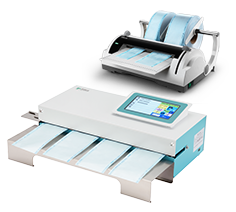
- Add autoclave running costs: Sum annual utility cost (₱12,500–₱22,500), CI/BI consumables (₱8,000–₱18,000), sealing pouches (₱6,000–₱12,000), and scheduled maintenance (₱5,000–₱10,000).
- Factor in instrument longevity: Properly sterilized handpieces last 3–5 years longer than those subjected to harsh chemical cycling. One less handpiece replacement per year saves ₱15,000–₱40,000.
- Estimate compliance risk mitigation: A single DOH closure or patient complaint related to infection control can cost far more than any autoclave investment.
- Calculate payback period: Most Class B upgrades from Class N show full ROI within 24–36 months when instrument longevity and compliance savings are included.
How to evaluate local suppliers and after-sales support
Purchasing a dental autoclave for sale from the right supplier is just as important as choosing the right model. In the Philippines, after-sales support is where the greatest variance exists between suppliers — and where most buyers experience regret.
What to ask any dental equipment supplier
Before committing to any purchase, ask these questions directly and request written confirmation:
- Do you carry FDA Philippines CPR for this specific model and brand?
- What is the warranty period and does it cover parts, labor, or both?
- Is there a local technician in Metro Manila, Cebu, or Davao for on-site repairs?
- What is your average response time for a service call?
- Are door gaskets, heating elements, and vacuum pump parts stocked locally?
- Do you provide installation, user training, and initial validation documentation?
Red flags when sourcing dental supplies Philippines
Based on actual clinic procurement cases reviewed in 2025–2026, the most common supplier red flags include: no physical office address in the Philippines; inability to produce FDA CPR on request; warranty terms that require shipping the unit back to China for repairs; and pricing that significantly undercuts the market without explanation. Just like buying a car without a service center in your city, purchasing a medical grade sterilizer without verified local after-sales infrastructure is a gamble your patients should not bear.
Local vs. imported: what the market looks like in 2026
In 2026, the Philippine dental sterilization market is served by a mix of European brands (MELAG, Tuttnauer, W&H) distributed through authorized Manila importers, Chinese brands (several of which have now secured FDA CPR and established local service centers), and a small number of locally-assembled or branded units marketed as dental sterilizer Philippines solutions. European brands command premium pricing but offer the most robust validation documentation. Chinese mid-range brands have improved significantly in build quality and are now viable for budget-conscious clinics — provided the supplier has verifiable local technical support in your region.
Frequently asked questions
Q: What is the best dental autoclave for sale for a single-chair clinic in the Philippines?
A: For a single-chair clinic, a 17–22L Class B benchtop autoclave is the recommended standard. It handles handpieces, wrapped packs, and all common instrument types. Budget for ₱80,000–₱150,000 for a mid-range unit with FDA Philippines registration and local after-sales support — the additional cost over a Class N unit is recovered through instrument longevity and compliance assurance.
Q: Is a Class N autoclave acceptable under DOH dental clinic requirements in the Philippines?
A: A Class N autoclave can satisfy the minimum equipment requirement for clinics that use only unwrapped, solid, non-hollow instruments. However, it cannot sterilize dental handpieces or bagged instrument sets. Any clinic using turbines or implant kits must have a Class B unit to comply with DOH infection control dental standards and to protect patient safety.
Q: How often should biological indicator testing be performed on a dental autoclave?
A: DOH and CDC guidelines recommend weekly biological indicator (BI) testing for high-volume dental clinics. Low-volume clinics may test monthly at minimum. Each BI test uses a Geobacillus stearothermophilus spore strip placed at the most challenging point in the chamber load. Results must be documented and retained as part of the clinic's sterilization records.
Q: Can I buy a dental autoclave directly from Lazada or Shopee in the Philippines?
A: Units are available on both platforms, but exercise caution. Verify that the seller can provide FDA Philippines CPR documentation. Many low-cost listings lack this registration, making them legally non-compliant for clinical use. Additionally, marketplace sellers rarely offer on-site installation, validation documentation, or reliable after-sales technical service — all of which are essential for a pressure steam sterilizer in active clinical use.
Q: What consumables does a dental autoclave require, and what do they cost annually?
A: Recurring consumables include sterilization pouches/reels (₱6,000–₱12,000/year), chemical indicator strips (₱3,000–₱6,000/year), biological indicators (₱5,000–₱12,000/year), and distilled water (₱4,000–₱8,000/year). Total annual consumable cost for an average Philippine dental clinic runs ₱18,000–₱38,000, which should be factored into any dental autoclave price comparison.
Making the right call
Choosing the right dental autoclave for sale in the Philippines is ultimately a decision that intersects patient safety, regulatory compliance, operational efficiency, and long-term cost management. The lowest-price unit on the market may look attractive at the point of purchase, but without the right sterilization class, local technical support, and FDA Philippines registration, it creates risk at every level — clinical, legal, and financial.
The business case is clear: a properly specified Class B autoclave, purchased from a credible dental equipment supplier Manila or regional distributor, with documented after-sales support and validated cycle records, is not a cost — it is the foundation of a defensible, trustworthy dental practice. In 2026, patients are more informed and regulators are more active. The question is no longer whether your clinic needs a proper autoclave sterilization machine. The question is which one, and from whom.
Disclaimer: This article is intended for general informational purposes only and should not be considered a substitute for professional guidance,
applicable regulatory requirements, or the manufacturer's instructions for use (IFU).
More
No.205 Guangyuan Road Jiangbei District Ningbo 315033 CHINA