What is autoclave piercing and why does it matter for safety?
Nov 10,2026


Article overview
This guide covers the full meaning of autoclave piercing, the science behind steam sterilization, equipment selection criteria, Turkish compliance requirements, and practical verification tips for both studio professionals and clients. Reading time: approximately 14 minutes.
Table of contents
- 1. What autoclave piercing actually means
- 2. How the autoclave sterilization process works step by step
- 3. Why common alternatives fail to meet safety standards
- 4. Choosing the right autoclave sterilizer for your piercing studio
- 5. Turkish regulations and compliance requirements in 2026
- 6. How clients can verify a studio's sterilization standards
- 7. Frequently asked questions
What autoclave piercing actually means
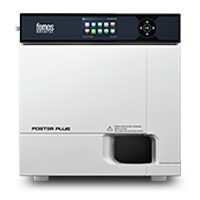
Autoclave piercing refers to any body piercing procedure in which all tools, sterile piercing needles, and body jewelry are pre-sterilized inside a high-pressure steam autoclave before making contact with the client's skin. The term has become shorthand in the body art industry for a hygiene standard that goes well beyond surface-level cleaning, representing a commitment to medical grade sterilization rather than simple disinfection.
Understanding this distinction matters more than most people realize. Sterilization and disinfection are not synonyms. Disinfection reduces microbial load; sterilization eliminates it — including bacterial endospores, which are among the most resilient biological structures known. An autoclave achieves this through saturated steam under pressure, reliably destroying every living organism on the instrument surface.
Why do so many studios and clients still confuse the two? Partly because visible cleanliness feels reassuring. A gleaming tray of tools looks sterile. It is not. The pathogens that cause hepatitis B, hepatitis C, MRSA, and HIV are entirely invisible, and according to WHO data from recent years, approximately 240 million people globally live with chronic hepatitis B — a virus that survives on surfaces for up to seven days without any special conditions. Unsafe sharps exposure remains one of its documented transmission pathways.
In Turkey's body art industry, the phrase otoklav ile sterilizasyon is increasingly recognized by both professional piercers and their clients. Istanbul's body piercing equipment landscape has matured significantly, and studios in major cities now face growing client pressure to demonstrate real sterilization credentials rather than simply displaying a machine in the corner. The autoclave is no longer a differentiator — in 2026, it is the baseline.
The difference between sterilization, disinfection, and sanitization
These three terms form a hierarchy, and confusing them has real consequences for piercing aftercare outcomes. Sanitization reduces bacteria to legally safe levels for food contact — irrelevant in body piercing. Disinfection using chemical agents eliminates most vegetative bacteria and some viruses but cannot reliably destroy bacterial spores or all bloodborne pathogens. Sterilization, achieved through validated autoclave sterilization processes, eliminates all microbial life, including spores, and is the only method accepted by medical and professional piercing bodies for reusable instrument processing.
The Association of Professional Piercers (APP) has long maintained that sterilization using an autoclave is non-negotiable for any reusable piercing tool. This industry consensus has shaped training curricula for professional piercers across Europe, including the growing number of certified studios operating in Istanbul, Ankara, and İzmir.
Who needs to understand this concept
The primary audience for autoclave piercing knowledge is twofold. First, piercing studio owners and piercers who are selecting, operating, and maintaining piercing autoclave sterilizer equipment — they need technical depth. Second, clients who want to evaluate a studio's actual safety practices before booking — they need practical verification tools. This article addresses both groups directly, with a dedicated section for each later in the guide.
How the autoclave sterilization process works step by step
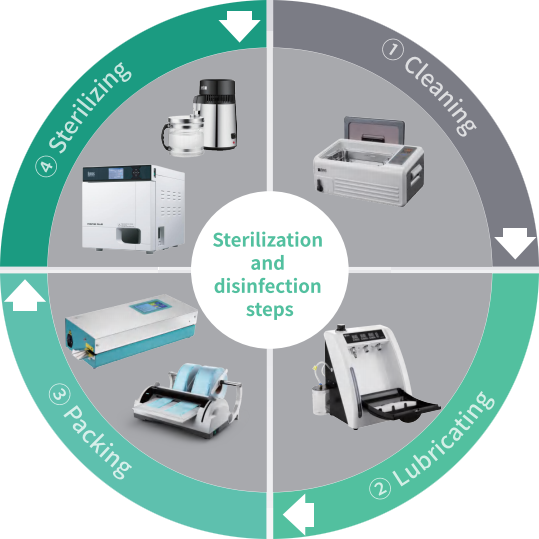
The autoclave sterilization process follows a precise sequence that cannot be safely abbreviated. Each stage exists for a specific reason, and skipping any one of them introduces contamination risk that the subsequent steps cannot correct. Here is the validated workflow used in compliant piercing studios.
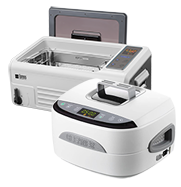
- Pre-cleaning: All instruments are manually scrubbed or ultrasonically cleaned to remove visible biological debris. Steam sterilization cannot penetrate organic material — any tissue or fluid residue physically blocks the steam from reaching the metal surface underneath.
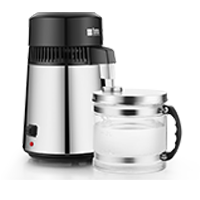
- Rinsing and drying: Instruments are thoroughly rinsed with distilled water to remove cleaning agent residue, then dried to prevent dilution of steam inside the chamber.
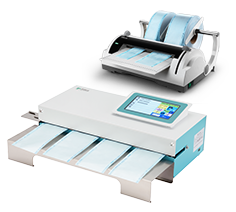
- Packaging: Each instrument or jewelry piece is sealed in a self-sealing sterilization pouch fitted with a chemical indicator strip. The indicator changes color when the correct time-temperature combination has been reached.
- Loading the autoclave: Pouches are loaded with adequate spacing to allow full steam circulation. Overloading the chamber is one of the most common causes of sterilization failure in body art studios.
- Running the cycle: The standard gravity-displacement cycle operates at 121°C (250°F), approximately 1 atm gauge pressure (15 psi), for 15 to 60 minutes depending on load density. Class B pre-vacuum autoclaves used in professional settings run a faster, more thorough cycle by evacuating air before steam injection.
- Cooling and drying: Pouches must be fully dry before storage. Wet pouches are considered non-sterile because moisture enables microbial migration through the packaging material.
- Documentation: Each cycle should be logged with date, time, temperature, pressure, cycle duration, and operator name. Biological indicator tests (spore tests) should be run weekly to validate that the machine is achieving true sterilization.
- Storage: Sealed, dry pouches are stored in a clean, closed environment. Standard shelf life for a sealed sterile pouch is typically six to twelve months, depending on packaging material and storage conditions.

A critical detail that even experienced piercers sometimes overlook: the chemical indicator strip on the pouch confirms that the pouch reached the target conditions, but it does not confirm sterility. Only a biological indicator — a vial containing highly resistant bacterial spores — confirms that the machine actually killed everything. Regular spore testing is the difference between a studio that uses an autoclave and a studio that verifies its autoclave works correctly.
Class B vs. Class N autoclaves: what piercers need to know
Not all autoclaves perform equally on body piercing equipment. Class N (non-vacuum) machines use a single gravity displacement cycle and work adequately for unwrapped solid instruments. However, they struggle to penetrate hollow or wrapped items — which describes most body jewelry and packaged piercing needles. Class B pre-vacuum machines pull a vacuum before and after the steam phase, forcing steam into every crevice of complex geometries. For a piercing studio processing a mixed load of jewelry and needles, Class B is the professional standard.
Steam sterilization for jewelry: material compatibility
Not all body jewelry tolerates steam sterilization equally well. Implant-grade titanium (ASTM F136), implant-grade steel (ASTM F138), niobium, and solid 14k–18k gold all withstand repeated autoclave cycles without degradation. Acrylic, certain plated metals, and natural materials like wood or bone cannot be autoclaved and must use single-use sterile packaging from the manufacturer instead. This is a non-negotiable material science point that directly connects jewelry selection to the broader autoclave piercing safety framework.
Why common alternatives fail to meet safety standards
Walk into any poorly regulated piercing environment and you will likely see at least one of these methods presented as adequate sterilization. They are not — and the gap between perceived safety and actual safety is where infections originate.
| Method | What it achieves | Kills spores? | Suitable for piercing tools? |
|---|---|---|---|
| Autoclave (steam sterilization) | Full sterilization | Yes | Yes — gold standard |
| Isopropyl alcohol (70–99%) | Intermediate disinfection | No | No |
| UV sterilization cabinet | Surface disinfection only | No | No |
| Chemical soak (Barbicide, glutaraldehyde) | High-level disinfection | Partial (prolonged contact only) | Acceptable only for non-critical items |
| Boiling water | Low-level sterilization | No (100°C insufficient) | No |
| Single-use sterile packaging | Factory sterilization (gamma/EO) | Yes (if sealed, unopened) | Yes — for needles and disposables |
"Disinfection is not sterilization. A surface that looks clean and a surface that is sterile are two entirely different things — and in the context of body piercing, that difference can determine whether a client develops a serious infection or heals without complication."
— Consensus position, Association of Professional Piercers (APP), Body Art Safety Guidelines
Why UV cabinets remain dangerously misleading
UV sterilization cabinets are common in Turkish hair salons and some budget piercing studios. They look professional and emit a reassuring blue glow. In practice, UV light disinfects only directly exposed surfaces — any shadow, crevice, or stacked instrument receives no treatment at all. Worse, UV cabinets create a false sense of security that can deter studios from investing in real piercing studio equipment. This is not a minor gap; it is the difference between disinfection and sterilization, measured in pathogen survival rates.
The "one-time use" needle myth
A genuinely single-use piercing needle, opened from its factory-sealed sterile packaging immediately before the procedure, is safe. The problem arises when studios reuse needles after alcohol wiping, or when "new" needles have been improperly stored in conditions that compromise packaging integrity. Autoclave piercing protocols address reusable instruments; for needles, the correct answer is always factory-sterile single-use with visible intact packaging — opened in front of the client.
Choosing the right autoclave sterilizer for your piercing studio
Selecting a jewelry sterilization machine for a piercing studio involves more than comparing price tags. Chamber size, cycle class, maintenance requirements, and compliance documentation capabilities all affect the total cost of ownership and the studio's ability to demonstrate regulatory compliance over time.
Key specifications to compare before purchasing
Chamber volume is the starting point. A solo piercer working out of a small studio in Istanbul can operate comfortably with a 17–22 litre Class B unit. A high-volume studio in a tourist district processing dozens of clients daily may need 23–35 litres with a faster cycle time. Beyond size, the critical specifications are: cycle class (B preferred), maximum temperature and pressure validation, integrated printer or data logging for cycle records, and EN 13060 or equivalent certification — the European standard increasingly adopted in Turkey's regulatory alignment with EU norms.
From real experience evaluating piercing studio equipment across the body art industry: studios that invest in machines with built-in cycle printers dramatically reduce administrative friction during any inspection. A paper record or digital log of every sterilization cycle is not just good practice — it is increasingly a regulatory expectation in Turkey's 2026 compliance environment.
Autoclave equipment cost comparison for Turkey (2026)
| Category | Class | Chamber volume | Approx. price range (TRY) | Suitable for |
|---|---|---|---|---|
| Entry-level Class N | N | 12–17 L | 8,000–15,000 ₺ | Low-volume, unwrapped solid tools only |
| Mid-range Class B | B | 17–22 L | 22,000–45,000 ₺ | Solo piercer or small studio, wrapped loads |
| Professional Class B | B | 23–35 L | 50,000–90,000 ₺ | High-volume studio, full jewelry sterilization |
| Medical-grade Class B with printer | B | 28–45 L | 95,000–160,000 ₺ | Multi-chair studio, regulatory documentation needs |
*Price ranges are indicative estimates for Turkey's body piercing equipment market as of 2026. Actual pricing varies by distributor, import duties, and VAT. Verify current pricing with local tattoo piercing supplies distributors in Istanbul or Ankara before purchasing.
Of course, there are situations where a smaller Class N unit is a reasonable starting point — a piercer transitioning from a shared clinic arrangement who uses exclusively single-use needles and only needs to process a limited range of reusable forceps. The key is understanding what the machine can and cannot sterilize, and communicating that limitation honestly to clients.
Turkish regulations and compliance requirements in 2026
Turkey's regulatory framework for body art hygiene is evolving in line with EU standards, and 2026 represents a stricter compliance environment than studios operated in even three years ago. Understanding the current requirements is essential for body piercing equipment Istanbul procurement decisions and for avoiding inspection penalties.
Current regulatory landscape
Turkish health regulations governing piercing studios fall primarily under the jurisdiction of the Ministry of Health (Sağlık Bakanlığı) and local municipality health directorates. Studios operating in Istanbul, Ankara, İzmir, and other major cities are subject to periodic hygiene inspections that assess sterilization equipment, documentation, waste disposal, and personnel hygiene protocols. As of 2026, inspectors increasingly expect to see: a functioning Class B autoclave pressure sterilizer with calibration records, sterilization cycle logs (paper or digital), biological indicator (spore) test results, and single-use packaging for all piercing needles.
Turkey's alignment with EU medical device and sterilization norms — particularly EN 13060 for small steam sterilizers — means that studios sourcing equipment certified to European standards are better positioned for inspections. Purchasing a jewelry sterilization machine without EN 13060 or equivalent documentation is a compliance risk that local inspectors are becoming more likely to flag.
Practical compliance checklist for Turkish piercing studios
Based on the current regulatory direction and industry best practices, studios in Turkey should maintain the following documentation and physical standards:
- Valid autoclave calibration certificate (annual minimum, from accredited service provider)
- Weekly biological indicator (spore test) log with results
- Cycle-by-cycle sterilization record (date, time, temperature, pressure, operator)
- Sterilization pouch batch traceability linked to client records
- Single-use needle disposal records (sharps waste management, licensed contractor)
- Staff hygiene training certificates aligned with İş Sağlığı ve Güvenliği (occupational health and safety) requirements
- Visible posting of sterilization standards and client rights in the studio
Is this level of documentation burdensome for a small studio? Honestly, yes — initially. But studios that implement these records find that they also become a marketing asset. Clients who ask to see sterilization logs and receive them without hesitation return, refer others, and rarely complain about pricing.
How clients can verify a studio's sterilization standards
For anyone booking a piercing in Turkey — whether a first-time client or someone relocating from another city — knowing how to evaluate a studio's actual body piercing hygiene practices is a practical safety skill. The presence of equipment is not the same as its correct use.
Five questions to ask before your appointment
Real experience working with professional piercers across the industry reveals a consistent pattern: studios with genuinely strong sterilization practices welcome these questions. Studios that deflect or give vague answers are communicating something important about their standards.
- "Do you use a Class B autoclave, and can I see the machine?" — A legitimate studio will show you without hesitation.
- "Will my jewelry be sterilized in a sealed pouch that I can watch you open?" — Correct answer: yes, every time.
- "Are the needles single-use, factory-sealed, and opened in front of me?" — There is only one acceptable answer here.
- "Do you run spore tests on your autoclave, and how often?" — A professional studio runs them weekly and keeps records.
- "What materials is my jewelry made from?" — Implant-grade titanium or steel, or solid gold. Anything else from a studio claiming full compliance should raise questions.
Reading the sterilization indicators
When a piercer opens a sterilization pouch in front of you, look at the indicator strip on the outside of the pouch. It should have changed color — typically from a light tone to a darker one — indicating the pouch reached the target temperature and pressure. Think of it like the color indicator on a meat thermometer: it confirms conditions were reached, even if it does not tell you every detail of what happened inside the chamber. If the indicator has not changed, if the pouch appears damp, or if it has been opened and re-sealed, these are immediate red flags for piercing infection prevention.
Piercing aftercare is important — but no aftercare regimen can compensate for a procedure performed with contaminated equipment. The time to ensure safety is before the needle is in your hand, not after.
Conclusion
Autoclave piercing is not a premium service feature — it is the foundational safety requirement that separates professional body art from a genuine public health risk. In 2026, Turkey's regulatory environment, combined with increasingly informed clients and growing cross-border supply of quality tattoo piercing supplies, has created both the obligation and the opportunity for studios to operate at medical grade sterilization standards. Whether you are a studio owner evaluating your first Class B autoclave pressure sterilizer, a piercer reviewing your documentation practices, or a client deciding where to book, the principles in this guide give you the framework to make that decision on real evidence rather than aesthetic impression. The autoclave is not the most visible piece of piercing studio equipment — but it is unquestionably the most important one.
Disclaimer: This article is intended for general informational purposes only and should not be considered a substitute for professional guidance,
applicable regulatory requirements, or the manufacturer's instructions for use (IFU).
Frequently asked questions
Q: What temperature and pressure does an autoclave use for piercing sterilization?
A: Standard autoclave sterilization for piercing tools runs at 121°C (250°F) and approximately 15 psi (1 atm gauge pressure) for 15 to 60 minutes depending on load density. Class B pre-vacuum units achieve equivalent results faster by evacuating air before steam injection, making them preferable for wrapped jewelry and hollow instruments.
Q: Can all body jewelry be autoclaved?
A: No. Implant-grade titanium, implant-grade steel, niobium, and solid 14k–18k gold tolerate repeated steam sterilization without damage. Acrylic, plated metals, and natural materials like wood or bone cannot be autoclaved — these require single-use sterile factory packaging instead. Material selection and sterilization method must be matched deliberately.
Q: Is a UV sterilization cabinet acceptable for a piercing studio in Turkey?
A: No. UV cabinets provide surface disinfection only, cannot penetrate shadows or crevices, and do not kill bacterial spores or all bloodborne pathogens. Turkish health inspectors increasingly expect a certified autoclave — not a UV cabinet — as the primary sterilization equipment. A UV cabinet used alongside an autoclave for storage has minimal added value and should never substitute for autoclave processing.
Q: How often should a piercing studio run spore tests on its autoclave?
A: Industry consensus and emerging Turkish regulatory expectations align on weekly biological indicator (spore) testing as the minimum standard. Spore tests using highly resistant bacterial species confirm that the autoclave is achieving true sterilization, not just reaching target temperature indicators. Results should be logged and retained for inspection purposes.
Q: What is the difference between a Class B and Class N autoclave for body piercing?
A: Class N autoclaves use a single gravity displacement steam cycle, suitable only for unwrapped solid instruments. Class B pre-vacuum autoclaves remove air before and after steam phases, ensuring penetration of hollow objects, wrapped packages, and complex jewelry geometries. For a professional piercing studio processing mixed loads of jewelry and packaged tools, Class B is the appropriate standard — Class N presents a real risk of sterilization failure on wrapped or hollow items.
More

No.205 Guangyuan Road Jiangbei District Ningbo 315033 CHINA