Autoclave machine performance: key indicators every dental team should monitor
Nov 26,2026


Article overview
This article explains the critical performance indicators dental teams should track to confirm their autoclave is functioning correctly and delivering reliable sterilization. It covers cycle parameters, biological and chemical indicators, water quality, maintenance schedules, and documentation practices. It also addresses how the same sterilization principles apply when nail salons and beauty businesses evaluate autoclave equipment for manicure and pedicure tool disinfection.
Table of contents
- Why autoclave performance monitoring matters beyond the cycle light turning green
- The four cycle parameters that define a successful sterilization run
- Chemical and biological indicators: what each one actually tells you
- Water quality and its direct effect on autoclave reliability
- Maintenance checks your team can do before problems become failures
- Documentation and record-keeping as a performance tool
- How nail salons and beauty settings fit into the same sterilization framework
- Frequently asked questions
An autoclave that completes a cycle is not automatically an autoclave that sterilized anything. The cycle light turns green, the door opens, and instruments feel dry and warm — but none of that confirms that every spore on every surface was eliminated. For a dental team processing handpieces, scalers, and surgical instruments multiple times a day, the gap between a completed cycle and a verified sterilization run is where patient safety risk lives. Monitoring performance means tracking the specific parameters and test results that confirm sterilization actually occurred, not just that the machine ran.
Why autoclave performance monitoring matters beyond the cycle light turning green
Steam sterilization relies on a precise combination of temperature, pressure, and time reaching every part of every instrument load. If any one of those variables falls short — even slightly and briefly — the sterilization guarantee breaks down. The problem is that most of these failures are invisible during routine operation. A partially blocked drain strainer, a worn door gasket, or a small air pocket inside a dense pack can all prevent adequate steam penetration without triggering an error code or cycle failure alert.
This is why regulatory bodies and infection control authorities distinguish between process monitoring (confirming the machine ran correctly) and sterility assurance (confirming the load is safe to use). Relying only on the digital readout of a completed cycle addresses the first question but not the second. According to sterilization practices for reusable devices published by the CDC, a combination of mechanical, chemical, and biological monitoring is recommended to provide meaningful assurance across routine clinical use.
For dental clinics in the Philippines, this is not just a best practice recommendation. The Department of Health (DOH) and the Philippine Dental Association reference infection control standards that align with international guidelines requiring documented sterilization monitoring as part of clinic operations. Beyond compliance, the practical reason is straightforward: an autoclave that is quietly underperforming will eventually cause a verifiable sterilization failure — and by then, instruments have already been used on patients.
The four cycle parameters that define a successful sterilization run
Every steam sterilization cycle has four variables that must all be correct simultaneously. Missing one makes the others insufficient.
Temperature
Steam sterilization requires reaching and sustaining a specific temperature throughout the entire sterilization hold phase. The two most common settings are 132–134°C for pre-vacuum cycles and 121°C for gravity displacement cycles. The critical word is "sustaining." A chamber that briefly spikes to the target temperature and then drops — due to a marginal heating element or inconsistent pressure — may not deliver adequate microbial kill across a full instrument load. Many modern autoclaves log temperature continuously; older units may only record the endpoint. If your machine does not produce a printed or digital temperature log for the entire hold phase, the monitoring gap needs to be filled by other means.
Pressure
Pressure in steam sterilization is not an independent kill factor — it is the mechanism by which steam reaches the required temperature. At 134°C, chamber pressure is typically around 2.1 bar (approximately 30 psi). What pressure monitoring actually tells you is whether the steam-pressure relationship is behaving as expected. A pressure reading that is correct but accompanied by a lower-than-expected temperature, or vice versa, is a signal that the steam quality is compromised — often by air entrapment or excessive moisture (wet steam). Both conditions reduce penetration effectiveness.
Time
The sterilization hold time — the period during which instruments are exposed to steam at the target temperature — is not the same as the total cycle time. Total cycle time includes heating, the hold phase, and drying. What matters for sterility assurance is the hold phase duration. At 134°C, a standard dental pre-vacuum cycle typically uses a hold time of 3–4 minutes. At 121°C in gravity cycles, the hold phase is considerably longer, often 15–30 minutes depending on load configuration. Teams sometimes assume that running a longer cycle compensates for other issues, but time extension does not fix inadequate temperature or unresolved air removal.
Steam quality and air removal
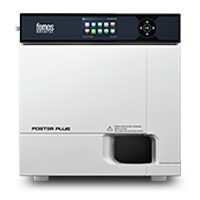
Air is the enemy of steam sterilization. Because air is denser than steam, it tends to pool at the bottom of the chamber and within instrument packaging, preventing steam from contacting instrument surfaces. Pre-vacuum autoclaves (also called Class B autoclaves) address this by actively evacuating air before steam is introduced. Gravity displacement autoclaves rely on steam physically displacing air downward through a drain — a process that is slower and less complete, particularly with porous loads or hollow instruments. For dental settings handling handpieces, implant components, and wrapped packs, a Class B autoclave with verified vacuum function is generally the standard of care. The Bowie-Dick test, discussed in the next section, is specifically designed to verify air removal performance in pre-vacuum sterilizers.

Chemical and biological indicators: what each one actually tells you
Indicators are not interchangeable. Each type answers a different question, and using only one type leaves monitoring gaps that the others are designed to fill.
Chemical indicators (CIs)
Chemical indicators change color or appearance in response to one or more sterilization parameters. They are divided into classes under ISO 11140-1, with each class designed for a different purpose:
- Class 1 (process indicators): Simple color-change indicators placed on the outside of packs to confirm the pack was exposed to a sterilization cycle. They do not confirm adequate sterilization conditions were met inside the pack.
- Class 4 and 5 (multi-parameter and integrating indicators): Placed inside instrument packs, these respond to multiple parameters (temperature, time, steam) and provide stronger evidence that conditions inside the pack were sufficient. Class 5 integrating indicators are designed to react across the full range of a sterilization cycle and are considered the most informative chemical indicators for routine monitoring.
- Class 6 (emulating indicators): Cycle-specific indicators calibrated to a defined cycle. They confirm that all critical parameters of that specific cycle were met.
A common monitoring error in dental clinics is using only Class 1 indicators and treating a color-changed external strip as evidence of sterilization. External indicators confirm process exposure, not sterilization adequacy inside the pack. Internal indicators — particularly Class 5 — should be used routinely inside wrapped instrument sets.
Biological indicators (BIs)
Biological indicators contain highly resistant bacterial spores (typically Geobacillus stearothermophilus for steam sterilization) and are the only monitoring tool that directly tests whether the sterilization process can kill the most resistant microorganisms. A BI that shows no growth after incubation confirms that the cycle conditions were sufficient to kill the test organism under the conditions present during that run.
The standard recommendation is to run biological indicator tests at least weekly and after any cycle failure, equipment repair, or significant load change. Some guidelines recommend running a BI with every load containing implantable devices, with instruments not released until BI results are confirmed negative. The autoclave sterilization process relies on this layered approach — mechanical parameters confirmed by cycle logs, chemical indicators providing per-pack assurance, and BIs providing periodic validation of the overall process.
The Bowie-Dick test
Specific to pre-vacuum autoclaves, the Bowie-Dick test checks the efficiency of air removal before steam admission. It uses a standardized test pack with a chemical sheet in the center that should show a uniform color change if air was fully removed. An uneven or incomplete color change indicates air pockets or steam penetration failure — often caused by a malfunctioning vacuum pump, a leaking door seal, or a blocked air detector. The Bowie-Dick test should be run daily, as the first cycle of the day, with an empty chamber.
Water quality and its direct effect on autoclave reliability
Water is the consumable that most directly affects both sterilization quality and equipment longevity. Using tap water — common in many Philippine dental clinics, particularly those outside Metro Manila — introduces dissolved minerals, chlorine, and other contaminants that affect the autoclave in two distinct ways.
First, mineral deposits accumulate on heating elements, chamber walls, and internal components. Scale buildup reduces heating efficiency, can interfere with temperature sensors, and gradually degrades the door gasket seal. Second, chemical contaminants in tap water can affect steam quality and potentially leave residues on instruments. Most autoclave manufacturers specify distilled or deionized water (conductivity typically below 15 µS/cm) to maintain both equipment performance and instrument integrity.
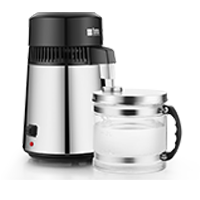
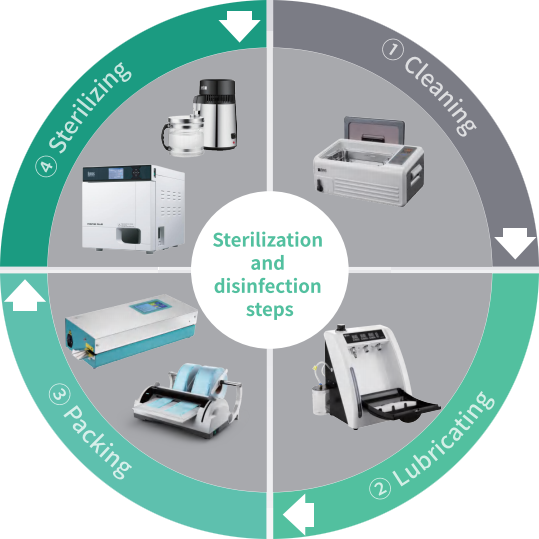
In practice, monitoring water quality means three things: using the correct water type as specified by the equipment manufacturer, checking and emptying the water reservoir and waste tank regularly, and periodically testing conductivity if there is any reason to suspect water quality has changed. Using a water distillation unit as part of the sterilization equipment setup addresses the supply issue at the source and reduces the need for purchasing bottled distilled water on a recurring basis.
Signs that water quality may already be affecting performance include visible scale deposits inside the chamber, instruments showing white residue after drying, or cycle times that have gradually extended without any other explanation. These are not cosmetic issues — they are performance warning signs.
Maintenance checks your team can do before problems become failures
Preventive maintenance on an autoclave falls into two categories: daily checks that the clinical team can perform, and periodic servicing that requires a qualified technician. Conflating these — or delegating everything to an annual service call — is one of the most common reasons performance problems go undetected until a cycle fails or the machine breaks down during a busy clinic day.
Daily checks
- Door gasket inspection: Run a gloved finger along the full circumference of the door seal. Look and feel for cracks, compression flat spots, debris, or areas where the gasket has begun to pull away from its groove. A compromised gasket is the most common single point of failure for maintaining chamber pressure.
- Chamber and tray condition: Check for corrosion, mineral deposits, or instrument fragments left from previous loads. Instrument residue can contaminate subsequent loads and damage chamber surfaces over time.
- Water level and quality: Confirm the reservoir is filled with the correct water type to the indicated level. Check that the waste water reservoir is not full — an overfull waste tank on some models can interfere with cycle completion.
- Drain filter: Many autoclaves have a strainer or filter at the chamber drain. If debris accumulates here, air and condensate cannot drain correctly during the cycle, which directly affects drying quality and can interfere with temperature uniformity.
- Printer and log function: If your autoclave produces printed cycle records, confirm the printer is functional and loaded with paper. A missing cycle record is not a minor administrative gap — it is a documentation failure that affects your ability to verify sterilization for any instrument processed that day.
Periodic checks (monthly or per manufacturer schedule)
- Inspect and clean the vacuum pump filter (for pre-vacuum models).
- Check the calibration of the temperature and pressure sensors against a reference thermometer — sensor drift is gradual and may not trigger an error until the deviation is significant.
- Inspect door locking mechanisms and hinges for wear.
- Flush and clean the water system if the manufacturer specifies a descaling interval.
Keeping a simple maintenance log — date, item checked, finding, and action taken — creates an evidence trail that is useful both for troubleshooting and for demonstrating compliance during DOH inspections or accreditation reviews.
Documentation and record-keeping as a performance tool
Sterilization records serve two distinct purposes that are easy to conflate. The first is regulatory and liability: demonstrating that instruments used on a specific patient were processed through a verified sterilization cycle. The second, less frequently discussed, is as a performance monitoring tool. When cycle records are reviewed consistently, deviations and trends become visible before they become failures.
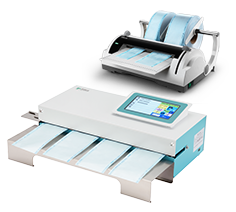
A complete cycle record should include: the date and cycle number, the type of cycle run, the cycle parameters achieved (temperature, pressure, hold time), the result of any chemical indicator inside the load, and the name or initials of the person who processed the load. For loads containing implants or surgical instruments, the BI batch number and test result should also be recorded.
Beyond individual cycle records, tracking performance over time reveals patterns that a single record cannot. If hold-phase temperature has been logging at the low end of the acceptable range for the past three weeks, that is actionable information — the machine may need calibration or servicing before it logs an actual failure. If drying cycle times have increased, that may indicate a drain filter partially blocked or a vacuum pump beginning to wear.
Many newer autoclaves store cycle data digitally and can export records for external review. For clinics using older equipment with paper printouts, keeping a binder organized by month allows a quick review for consistency. The investment in systematic record review is small; the value of catching a performance trend early — before an instrument recall or equipment breakdown — is significant.
How nail salons and beauty settings fit into the same sterilization framework
The search interest around autoclave machine nail salon use reflects a genuine and growing awareness among nail technicians and salon owners in the Philippines that UV sterilizers and chemical soaking alone do not meet the sterilization standard required for tools that break skin contact. UV sterilizers used for nail tools, for example, are disinfection devices — they reduce microbial load on exposed surfaces — but they do not achieve sterilization. The distinction matters when dealing with nail drills, cuticle nippers, pushers, and other implements that contact blood or damaged skin.
According to nail salon safety and sanitation standards from OSHA, proper instrument disinfection and sanitation protocols are foundational to safe nail salon operations. In practice, this means that nail salon sterilization requirements increasingly point toward steam-based sterilization equipment — specifically tabletop autoclaves suitable for small-volume instrument processing — as the appropriate standard for tools that contact clients' skin or nails.
The performance indicators that matter for a nail salon autoclave sterilizer are the same ones that matter in dental settings, scaled to the volume and instrument types involved:
- Cycle validation: Confirming that the autoclave reaches and holds the required temperature for the specified time. For small tabletop units used in beauty salon hygiene equipment applications, this is verified through the same combination of chemical indicators and periodic biological testing.
- Load configuration: Manicure instrument sterilizers process smaller, often simpler instruments than dental autoclaves, but correct packaging — allowing steam to contact all surfaces — is still required. Stacking instruments without pouching, or overpacking the chamber, creates the same air-pocket problem as in dental settings.
- Maintenance of the same components: Door gaskets, water quality, and drain filters are equally relevant on a compact nail drill sterilizer machine as on a full-size dental unit. The scale is different; the failure modes are the same.
For beauty salon owners evaluating salon equipment suppliers in the Philippines, the practical questions when comparing autoclave for manicure tools options should mirror what dental teams ask: Does the unit provide a cycle log or printed record? Does the manufacturer provide documentation for BI testing compatibility? Is the chamber size appropriate for the volume of pedicure tool disinfection required per session? Are spare parts and local service available?
A dry heat sterilizer is an alternative sometimes considered for nail tool sanitizer machine applications, particularly for tools that cannot tolerate moisture. Dry heat sterilization operates at higher temperatures (typically 160–180°C) for longer hold times and does not require water, making it suitable for certain metal implements. However, dry heat cycles are significantly longer, and dry heat sterilizer salon applications require careful attention to time-temperature combinations and load density, as heat penetration through wrapped or packaged instruments is slower than steam penetration.
The core point for beauty professionals evaluating nail implement disinfection options is this: the type of sterilization equipment selected must match the category of risk associated with the tools being processed. Implements that break or contact intact skin require a higher level of assurance than tools used only on intact, undamaged surfaces. When the standard is sterilization — not just disinfection — only an autoclave or validated equivalent delivers it reliably.
Frequently asked questions
How often should a dental clinic run a biological indicator test?
The minimum recommended frequency is once per week and after any equipment repair, cycle failure, or significant change in load type. For loads containing implantable devices, many guidelines recommend running a BI with each such load and quarantining instruments until the negative result is confirmed. Weekly testing alone will not catch a failure that occurred between tests — which is why it is used alongside chemical indicators placed in every load.
Can a nail salon use the same type of autoclave as a dental clinic?
Yes, in terms of sterilization mechanism. A steam autoclave operates on the same principles regardless of setting — the difference lies in chamber size, cycle options, and load volume. Many tabletop autoclaves designed for dental use are suitable for nail salon and beauty settings as well, provided the unit is validated for the instrument types being processed and the team follows the same monitoring practices: chemical indicators, periodic biological testing, correct water type, and cycle documentation.
Is a UV sterilizer sufficient for nail salon tools?
No, not for tools that contact broken skin or cuticle areas. UV sterilizers achieve surface-level disinfection on exposed surfaces only — they do not penetrate packaging, instrument joints, or any area shielded from direct UV exposure. They do not meet the sterilization standard required for semi-critical or critical instruments. UV sterilizer nail tools units are appropriate for maintaining the cleanliness of already-sterilized tools between uses, not as a primary sterilization method.
What water should be used in a dental autoclave in the Philippines?
Distilled or deionized water with conductivity below the threshold specified by the equipment manufacturer — typically 15 µS/cm or less. Tap water, even where it appears clean, contains minerals and treatment chemicals that cause scale buildup, affect steam quality, and shorten equipment life. Using a benchtop water distillation unit alongside the autoclave is a practical and cost-effective approach for clinics that process a high daily instrument volume.
What does the Bowie-Dick test actually check, and when should it be run?
The Bowie-Dick test checks whether a pre-vacuum autoclave is effectively removing air from the chamber before steam is introduced. It does not test sterilization efficacy directly — it tests air removal, which is the precondition for effective steam penetration in a pre-vacuum cycle. It should be run daily as the first cycle, with an empty chamber. A failed or uneven Bowie-Dick result means no other loads should be processed until the air-removal problem is identified and corrected.
Disclaimer: This article is intended for general informational purposes only and should not be considered a substitute for professional guidance, applicable regulatory requirements, or the manufacturer's instructions for use (IFU).
More

No.205 Guangyuan Road Jiangbei District Ningbo 315033 CHINA