Why dental autoclave machine prices vary so much and what it means for you
Nov 27,2026


Article overview
This article breaks down why dental autoclave machine prices differ so significantly in the Philippine market—from capacity and sterilization class to import duties, local compliance requirements, and long-term ownership costs. It is written for clinic owners, dental practitioners, and procurement staff who are comparing options and want a clear, practical framework before committing to a purchase.
Table of contents
- What the price range actually looks like in the Philippines
- The main factors that push autoclave prices up or down
- The true cost of ownership beyond the sticker price
- Local compliance and certification: what Philippine buyers must check
- How to evaluate suppliers, warranties, and after-sales support
- A practical checklist before you sign the purchase order
- Frequently asked questions
If you have spent any time researching dental sterilization equipment, you already know that the autoclave machine price you see on one supplier's website can be two or three times higher than what another seller is quoting for what looks like the same product. That gap is not random, and it is not simply a matter of markup. The difference comes from a combination of chamber capacity, sterilization class, build quality, local certification status, and costs that never appear in the headline price—freight, installation, consumables, and annual calibration. Understanding what drives these differences is the only way to compare quotes accurately and avoid expensive surprises after delivery.
What the price range actually looks like in the Philippines
Dental and medical autoclave prices in the Philippine market span an extremely wide range. The figures below are general market estimates based on publicly available supplier information and should be verified directly with local distributors, as prices fluctuate with exchange rates and import costs.
| Category | Typical chamber size | Estimated price range (PHP) | Common use case |
|---|---|---|---|
| Benchtop autoclave (Class N or S) | 2.5 L – 18 L | ₱20,000 – ₱80,000 | Small dental clinics, instrument sterilization |
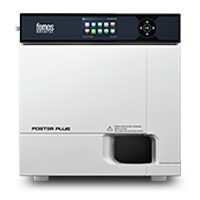
| Benchtop autoclave (Class B) | 12 L – 23 L | ₱80,000 – ₱200,000 | Dental clinics requiring hollow instrument and pouch sterilization |
| Mid-range floor-standing unit | 50 L – 100 L | ₱200,000 – ₱600,000 | Multi-chair clinics, oral surgery centers |
| Large vertical or horizontal autoclave | 100 L – 280 L+ | ₱600,000 – ₱2,000,000+ | Hospital sterilization departments, dental laboratories, research facilities |
| Portable autoclave sterilizer | 3 L – 8 L | ₱8,000 – ₱30,000 | Mobile dental outreach, rural health units |
Laboratory autoclave machines and hospital sterilization equipment tend to sit at the higher end, partly because they must handle a broader range of load types and are subject to stricter validation requirements. A compact benchtop autoclave price for a solo dental practice looks very different from a steam sterilizer price for a surgical suite—even if both run the same fundamental steam-under-pressure cycle.
What the table does not show is the full picture. Two Class B units at different price points may have identical chamber volumes but very different build standards, software logging capabilities, and warranty terms. That is where the real evaluation begins.
The main factors that push autoclave prices up or down
Several variables drive the autoclave machine price, and they interact with one another. Knowing which factors apply to your situation helps you decide where spending more is justified and where it is not.
Sterilization class and cycle capability
The European standard classification—Class N, Class S, and Class B—is widely used as a reference in the Philippine dental market, even though local regulations reference their own frameworks. Class N units run a single downward displacement cycle and are limited to solid, unwrapped instruments. Class B units use a pre-vacuum or fractionated vacuum cycle, which removes air from hollow instruments, pouched items, and porous loads before steam penetration. Class B machines cost significantly more because they require a vacuum pump, more sophisticated pressure management, and validated cycle documentation.
For most dental clinics, the ability to sterilize wrapped instruments and pouched handpieces makes Class B worth the premium. Purchasing a Class N unit to save money, then discovering it cannot safely process the full range of instruments in your tray, is a common and costly mistake.
Chamber capacity and build material
Larger chambers cost more—both to manufacture and to operate. Beyond raw volume, the material and construction of the pressure vessel matter. Medical-grade stainless steel chambers are more corrosion-resistant and maintain seal integrity longer than lower-grade alternatives. A pressure sterilizer machine with a thicker, better-finished chamber wall will typically command a higher autoclave unit price in the Philippines, but it also tends to have a longer serviceable life.
Automation, documentation, and connectivity
Entry-level units use analog gauges and manual cycle initiation. Mid-range and higher-end units include digital displays, automatic cycle logging, thermal or electronic printers for cycle records, and in some cases USB or network connectivity for data export. For dental clinics subject to inspection or accreditation, cycle documentation is not optional—it is an infection control requirement. Machines that automate this process reduce administrative burden and reduce the risk of incomplete records.
Origin and import pathway
Autoclaves sold in the Philippines are almost entirely imported. Units from established manufacturing regions in Europe tend to carry higher price tags but often come with better-documented CE or ISO 13485 compliance. Equipment sourced through grey-market channels or unofficial distributors may appear cheaper initially, but it often lacks proper FDA Philippines registration—which creates compliance exposure for the buyer, not just the seller.

The true cost of ownership beyond the sticker price
The dental autoclave cost you see quoted is rarely the number that matters most for budget planning. For Philippine buyers, the gap between the listed price and the actual landed, operational cost is frequently 30–60% above the base figure. Here is how that breaks down.
Freight, customs, and installation
Autoclaves classified under medical device categories are subject to import duties and value-added tax upon entry into the Philippines. The applicable rate varies by HS code classification, but buyers should factor in a combined tax-and-duty load that can add 12–20% or more to the CIF value. On top of that, freight from Europe or East Asia to a Philippine clinic—especially outside Metro Manila—adds shipping, brokerage, and last-mile delivery charges that suppliers do not always disclose upfront.
Installation and commissioning for mid-sized and large units typically require a technician visit. Some suppliers include this in the package; others bill it separately. A floor-standing unit may also require plumbing modifications for a drain connection and, in older clinic buildings, an electrical upgrade to handle a stable 220V single-phase or three-phase supply. Undersized wiring is a known cause of erratic cycle performance and premature component failure.
Consumables: the recurring cost most buyers underestimate
Running an autoclave is not a one-time investment. The main recurring costs are:
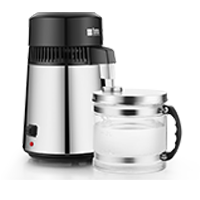
- Distilled or purified water: Steam sterilizers require water with low mineral content to prevent scale buildup in the chamber and steam generator. Using tap water—common in clinics trying to save money—accelerates corrosion, causes cycle errors, and voids warranties. Distilled water in the Philippines typically costs ₱20–₱50 per liter depending on location and volume purchased.
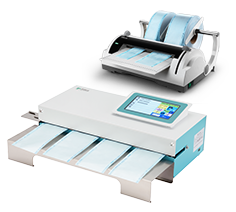
- Sterilization pouches and wraps: Class B cycles for wrapped instruments require appropriate packaging materials. Self-sealing sterilization bags are consumed with every cycle. For a busy dental clinic running multiple cycles per day, annual pouch costs can reach ₱15,000–₱40,000 or more depending on volume.
- Door gaskets and seals: These wear out with regular use and must be replaced periodically. Availability from local suppliers varies by equipment origin.
- Printer paper and consumables: Units with thermal printers consume rolls regularly if cycle logging is active.
Annual maintenance and calibration
Pressure sterilizer machines operating in a clinical setting should be serviced at regular intervals—typically every 6 to 12 months—to inspect the pressure vessel, check safety valves, clean the chamber and steam generator, and verify that temperature and pressure sensors are reading accurately. This is not just a manufacturer recommendation; it is relevant to maintaining the validity of your sterilization records for regulatory purposes.
Calibration of temperature and pressure instruments by an accredited service provider adds another layer of cost. In Metro Manila and major cities, service contracts from authorized distributors typically range from ₱5,000 to ₱25,000 per year for benchtop units, with larger floor-standing units costing significantly more. For clinics outside major urban centers, travel charges can make ad-hoc servicing expensive, which makes choosing a supplier with regional coverage particularly important.
Putting it together: a realistic total cost estimate
For planning purposes, a Class B benchtop unit with a base price of ₱120,000 might realistically cost ₱155,000–₱175,000 by the time it is commissioned and running, once import taxes, freight, and installation are included. Over three years of operation, annual consumables and maintenance could add another ₱60,000–₱100,000. That changes the economics of the decision considerably compared to evaluating on sticker price alone.
Local compliance and certification: what Philippine buyers must check
Purchasing a steam sterilizer for clinical use in the Philippines without verifying its regulatory status is a risk that falls on the buyer. Here is what you need to confirm before committing.
FDA Philippines registration
Medical devices sold in the Philippines—including dental autoclaves—are regulated by the Food and Drug Administration Philippines (FDA Philippines) under Republic Act 9711. Equipment sold or used commercially for clinical sterilization should carry a valid Certificate of Product Registration (CPR) or be covered under an applicable exemption or notification scheme. Buyers should ask suppliers to provide the CPR number and verify it through the FDA Philippines online verification portal. Using unregistered medical devices in a clinical setting creates liability exposure in the event of an inspection or adverse event.
DOH facility requirements
The Department of Health (DOH) sets standards for dental clinic facilities and infection control practices through its licensing requirements. Sterilization capability—including the type of sterilizer used and the documentation of sterilization cycles—is typically reviewed during DOH facility inspections. Clinics seeking PhilHealth accreditation face additional scrutiny on infection control protocols, which makes having a validated, properly documented autoclave process more than just a best practice.
CE marking and ISO 13485
Many autoclaves sold in the Philippines carry CE marking, which indicates conformity with European medical device regulations, and are manufactured under ISO 13485-certified quality management systems. For a Philippine buyer, CE marking is not a legal requirement for local use, but it serves as a meaningful proxy for design and manufacturing quality, particularly when local testing data is unavailable. When a supplier claims CE marking, ask to see the Declaration of Conformity—it should identify the specific directives or regulations and the notified body involved. For a broader technical background on how autoclave technology and standards have developed, the Wikipedia autoclave overview provides useful context.
Import duty classification
The applicable import duty rate for autoclaves depends on their HS code classification. Medical autoclaves typically fall under a different classification than laboratory or industrial units, which can affect landed cost. Buyers purchasing through direct import channels—rather than through a local distributor who handles customs clearance—should confirm the correct HS code with a licensed customs broker before finalizing the purchase.
How to evaluate suppliers, warranties, and after-sales support
In a market where autoclave machine suppliers range from authorized distributors with full service infrastructure to online resellers with no local presence, the supplier selection decision matters as much as the equipment selection.
Warranty terms: what to read carefully
Standard warranties for dental autoclaves in the Philippines typically range from one to three years, but the scope varies considerably. Key questions to ask:
- Does the warranty cover parts and labor, or parts only?
- Is on-site service included, or must the unit be shipped to a service center?
- Are consumable components—such as door seals and heating elements—excluded?
- Does using non-distilled water or non-approved consumables void the warranty?
- What is the response time commitment for service calls?
A warranty that looks generous on paper may be difficult to enforce if the supplier has no local technicians or if replacement parts must be ordered from overseas with a 4–8 week lead time.
Local service network and technician availability
For dental autoclaves—which are used every clinic day—downtime is a direct patient care and revenue issue. A supplier with accredited technicians in your city or region can typically respond within 24–48 hours for critical faults. A supplier whose only technical support is an international call center is a different proposition. Before purchasing, ask specifically: Who performs the warranty repair in my location? What is the typical parts availability timeline?
Delivery lead times
Units held in a local warehouse can typically be delivered within one to two weeks. Equipment ordered directly from overseas manufacturers may carry a 6–12 week lead time, particularly for non-standard configurations. For clinics opening a new facility or replacing a failed unit, this timeline difference is operationally significant.
Financing and leasing options
Several dental equipment distributors in the Philippines offer installment payment arrangements, either through in-house financing or in partnership with lending institutions. For clinics managing capital expenditure carefully, a 12–24 month installment plan can make a higher-quality Class B unit accessible without compromising the upfront budget for other equipment. Some suppliers also offer rental or lease-to-own structures, which can be worth evaluating if the clinic's volume is expected to grow and equipment needs may change within a few years.
A practical checklist before you sign the purchase order
Once you have shortlisted two or three units and suppliers, the following checklist covers the verification steps that experienced buyers use before committing.
Equipment verification
- Confirm sterilization class and cycle types: Request the technical specification sheet and verify that the unit can process the specific load types in your practice—wrapped instruments, hollow handpieces, porous materials.
- Check autoclave machine specifications against your physical space: Confirm external dimensions, weight, and electrical requirements (voltage, amperage, plug type) against your clinic's infrastructure.
- Verify FDA Philippines registration: Ask for the CPR number and confirm it on the FDA Philippines portal before purchase.
- Ask for CE Declaration of Conformity or equivalent documentation: This should be available for any reputable unit claiming CE marking.
Sterilization validation
Purchasing the machine is only the first step. Confirming that it actually achieves sterilization is a separate requirement. The standard method for biological validation of autoclave efficacy is the use of biological indicators (BIs)—spore strips or self-contained BIs containing Geobacillus stearothermophilus spores, which are resistant to moist heat sterilization. Running a BI test at commissioning, and periodically thereafter (many protocols recommend weekly or at minimum monthly testing), provides documented evidence that the cycle is achieving the required kill.
Chemical indicators (Class 1 to Class 6, per ISO 11140-1) provide cycle-level monitoring for every load and should be used routinely. They are not a substitute for biological indicators but provide immediate visual confirmation that the package was exposed to the cycle.
Maintenance planning
- Establish a schedule for chamber cleaning, door gasket inspection, and steam generator descaling based on the manufacturer's recommended intervals.
- Identify the local service contact before you need them—not after a fault occurs.
- Source distilled water supply locally and confirm you have an adequate, consistent supply before the unit arrives.
- Keep a log of every cycle, including load description, cycle type, temperature, pressure, and biological indicator results where applicable. This documentation is what a DOH or PhilHealth inspector will look for.
Common pitfalls to avoid
- Buying on price alone: A portable autoclave sterilizer at ₱10,000 may appear cost-effective but cannot process wrapped or hollow instruments and provides no cycle documentation.
- Ignoring the electrical requirement: Many imported autoclaves require a stable 220V supply with a dedicated circuit. Using a shared circuit in an older clinic building causes cycle interruptions and can damage the control board.
- Assuming all Class B units are equivalent: Cycle performance, chamber material quality, and software logging capability vary significantly between manufacturers even within the same class designation.
- Skipping commissioning validation: An autoclave that is not validated at installation may be producing cycles that do not meet sterilization parameters, with no visible indication of failure.
Frequently asked questions
What is a reasonable autoclave machine price for a single-chair dental clinic in the Philippines?
A Class B benchtop unit suitable for a single-chair dental clinic—capable of processing wrapped instruments, pouches, and hollow handpieces—typically falls in the ₱80,000 to ₱150,000 range from a reputable local distributor. Factoring in import taxes, delivery, and installation, the realistic landed cost is often ₱100,000 to ₱180,000. Units priced significantly below this range are almost always Class N or Class S units with limited cycle capability, or they lack FDA Philippines registration.
Is a cheaper portable autoclave sterilizer suitable for a dental clinic?
Portable autoclaves in the ₱8,000–₱30,000 range are gravity-displacement units designed for basic solid instrument sterilization. They cannot reliably sterilize hollow instruments, wrapped items, or pouched loads. For most dental clinic applications—including handpieces, burs in packaging, and endodontic instruments in cassettes—a portable unit does not meet the clinical sterilization standard. They may be appropriate for specific outreach or fieldwork scenarios where full-cycle validation is not required, but should not be the primary sterilizer in a registered dental facility.
How often does a dental autoclave need to be serviced, and what does that cost in the Philippines?
Most manufacturers recommend a full service inspection every 6 to 12 months, depending on cycle frequency. For a benchtop Class B unit used in a typical dental clinic, annual service by an authorized technician in Metro Manila generally costs between ₱5,000 and ₱20,000, depending on whether parts replacement is needed. Clinics in provincial areas may incur additional travel charges. Calibration of temperature and pressure measuring instruments, if required separately, adds further cost.
What does ISO 13485 certification mean for an autoclave, and why does it matter to a Philippine buyer?
ISO 13485 is an international standard specifying quality management system requirements for medical device manufacturers. A manufacturer operating under ISO 13485 certification has demonstrated that its design controls, production processes, and post-market surveillance meet defined quality criteria. For a Philippine buyer, it means there is a documented quality system behind the product—which reduces the risk of manufacturing defects and provides a basis for consistent performance. It is distinct from product registration, so an ISO 13485-certified manufacturer still needs to have its products registered with FDA Philippines for lawful clinical sale.
Can I import a dental autoclave directly to save on cost?
Direct import is technically possible, but it carries significant practical risks for clinical buyers. You must handle customs clearance and correct HS code classification yourself, pay import duties and VAT without the volume advantages a distributor has, arrange independent commissioning and validation, and—critically—verify that the unit has valid FDA Philippines registration before it is used clinically. If the unit is not registered, you may face regulatory issues regardless of its technical quality. For most dental clinics, purchasing through an authorized local distributor is simpler and reduces post-purchase risk, even if the unit price is slightly higher.
Disclaimer: This article is intended for general informational purposes only and should not be considered a substitute for professional guidance, applicable regulatory requirements, or the manufacturer's instructions for use (IFU).
More
No.205 Guangyuan Road Jiangbei District Ningbo 315033 CHINA