Dental autoclave running costs explained: consumables, maintenance, and long-term spend
Nov 28,2026


Article overview
Buying a dental autoclave is only the first expense. This article breaks down the complete cost of ownership for dental clinics and laboratories in the Philippines, covering upfront purchase prices by capacity and class, recurring consumable costs, annual maintenance and calibration fees, local compliance requirements, and financing options. It also outlines how clinics at different scales can match the right configuration to their budget.
Table of contents
- What a dental autoclave actually costs to buy in the Philippines
- Recurring costs that add up: consumables and utilities
- Maintenance, calibration, and service contracts
- Compliance costs specific to the Philippines
- Total cost of ownership by clinic type
- Financing, leasing, and second-hand options
- After-sales support and spare parts availability
- Frequently asked questions
When dental clinic owners and laboratory managers in the Philippines research sterilization equipment, the question that matters most is not just "how much does it cost to buy?" but "how much will it cost to run over the next five to seven years?" The purchase price on any autoclave price list is a starting point, not the full picture. Consumables, utilities, annual calibration, local FDA registration compliance, and service contracts can collectively exceed the machine's original price within the first three years of operation. This article gives you the numbers and the framework to plan for all of it.
What a dental autoclave actually costs to buy in the Philippines
Autoclave prices in the Philippines vary significantly based on three variables: chamber capacity, sterilization class, and whether the price is quoted ex-works, landed, or VAT-inclusive. The table below reflects general market price ranges for common configurations as of mid-2020s market conditions. Actual prices from any specific autoclave equipment supplier in the Philippines will differ based on exchange rates, import duties, and distributor margins.
| Category | Chamber capacity | Approximate price range (PHP) | Notes |
|---|---|---|---|
| Benchtop Class B (dental) | 18 L | ₱80,000 – ₱140,000 | Most common for solo or small group dental practices |
| Benchtop Class B (dental) | 22–24 L | ₱120,000 – ₱180,000 | Suits busier clinics with wrapped instrument loads |
| Benchtop Class N / Class S | 18–23 L | ₱45,000 – ₱90,000 | Lower entry cost; limited to solid unwrapped loads |
| Portable / tabletop (small) | 8–12 L | ₱25,000 – ₱60,000 | Mobile dental units, barangay health centers |
| Vertical floor-standing | 50 L | ₱200,000 – ₱350,000 | Multi-chair clinics, oral surgery centers |
| Horizontal (laboratory / CSSD) | 100 L and above | ₱500,000 – ₱1,200,000+ | Hospital CSSD, dental colleges, large outpatient labs |
Price ranges are indicative estimates based on general Philippine market conditions. Import exchange rate fluctuations, supplier margins, and VAT (currently 12%) affect final landed prices. Always request a formal quotation that specifies whether VAT and delivery are included.
Class B versus Class N: why it matters for price and suitability
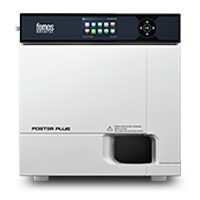
The classification of a steam sterilizer—Class B, Class S, or Class N under EN 13060—is probably the single most consequential factor in both purchase price and long-term clinical suitability. A Class B autoclave uses a pre-vacuum (fractionated or pulsed vacuum) cycle to remove air from hollow instruments, porous loads, and wrapped items. This makes it appropriate for the full range of dental instrument sterilization, including handpieces and bagged trays. A Class N machine uses gravity displacement only, which is cheaper to manufacture and to buy but cannot reliably sterilize hollow or wrapped loads. Purchasing a Class N unit to handle handpieces is a compliance and patient safety risk, not just a technical limitation.
For a broader overview of autoclave types and applications, the differences in cycle design between these classes have direct implications for the instruments each type can safely process.
When reviewing any autoclave price list, confirm whether the quoted price includes installation and commissioning. Benchtop units typically require only connection to a standard 220V outlet and a water supply, but floor-standing and horizontal units may require dedicated electrical circuits, drainage plumbing, and compressed air lines—work that adds ₱5,000 to ₱25,000 or more depending on clinic layout.
Recurring costs that add up: consumables and utilities
The consumables and utility costs of running a dental autoclave are predictable once you know your daily cycle volume. For most dental clinics in the Philippines, these costs run between ₱15,000 and ₱45,000 per year depending on machine size and usage frequency.
Distilled water
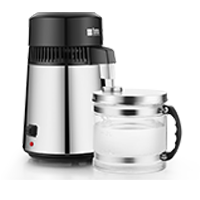
Steam sterilizers require distilled or deionized water to prevent mineral scaling on the chamber and heating elements. Using tap water shortens chamber life and can void warranties. A benchtop unit running four to six cycles per day will consume roughly 3–5 liters of distilled water daily. Commercially available distilled water in the Philippines costs approximately ₱15–₱30 per liter depending on supplier and location. Clinics with high cycle volumes often find it more economical to purchase a water distiller unit (a steam sterilizer cost multiplier many buyers overlook at the point of purchase). Entry-level distillers for dental use are priced in the ₱12,000–₱35,000 range and can reduce per-liter water costs substantially over time.
Sterilization pouches and packaging materials
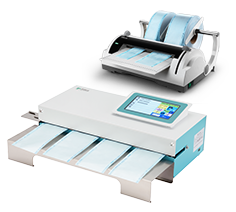
Wrapped loads require self-sealing pouches or reels compatible with steam sterilization. Standard dental pouches (90mm × 230mm to 190mm × 330mm) are sold in boxes of 200 units, with prices ranging from ₱600 to ₱1,500 per box depending on thickness and supplier. A busy clinic sealing 20–40 instrument packs per day will go through one to two boxes per week—approximately ₱3,000–₱6,000 per month in packaging alone. Clinics using a heat-sealing machine (impulse sealer or validated dental pouch sealer) with reel stock can reduce per-unit costs by 15–30% compared to pre-formed pouches.
Biological and chemical indicators
Sterilization validation requires regular use of biological indicators (BIs) and chemical indicators (CIs). Biological indicators containing Geobacillus stearothermophilus spores are the gold standard for confirming steam sterilizer performance. BI strips or vials suitable for dental autoclaves are priced at approximately ₱80–₱200 per unit in the Philippine market. Depending on your quality assurance protocol and DOH or FDA Philippines guidance applicable to your facility type, BIs may be run weekly, monthly, or after each load cycle change. Chemical indicator tape and Class 5 integrating indicators are consumed with every load, adding a modest but cumulative cost.

Electricity consumption
A typical 18–24 L benchtop autoclave draws 1.8–2.5 kW during the heating phase of a cycle. A full Class B cycle takes roughly 20–35 minutes including vacuum phases and drying. Running five cycles per day, five days per week gives approximately 100–130 kWh per month. At Philippine residential and commercial electricity rates (Meralco and comparable provincial utilities typically range from ₱9 to ₱12 per kWh as a general reference), monthly electricity cost attributable to the autoclave alone is approximately ₱900–₱1,560. Larger floor-standing units draw 3–5 kW and will add proportionally more to the electricity bill.
Maintenance, calibration, and service contracts
Planned maintenance is where many dental clinics in the Philippines underestimate their annual sterilizer price commitment. The machine purchase triggers a chain of ongoing obligations that are non-negotiable if you want the unit to remain compliant and functional.
Preventive maintenance visits
Most manufacturers and distributors recommend at least one preventive maintenance (PM) visit per year for benchtop units, and two per year for high-volume floor-standing machines. A PM visit from a qualified service technician typically covers inspection and cleaning of the door gasket, chamber descaling, check of safety valves and pressure sensors, software/firmware verification, and a test cycle. Service call fees in the Philippines vary by location—Metro Manila and major urban centers generally have more service networks and competitive rates (approximately ₱3,000–₱8,000 per visit including labor), while provincial clinics may face additional transport charges.
Calibration requirements
Sterilizers used in regulated healthcare settings are expected to undergo periodic calibration of temperature and pressure sensors. In the Philippines, calibration is typically performed by accredited calibration laboratories under the Philippine Accreditation Bureau (PAB) framework. Calibration costs for autoclave instruments generally range from ₱2,500 to ₱6,000 per instrument depending on the accredited laboratory and number of parameters tested. Some distributors bundle calibration into annual service contracts.
Door gasket and consumable parts replacement
The door gasket (silicone seal) on a benchtop autoclave typically requires replacement every 12–24 months depending on cycle frequency and water quality. Gaskets for common benchtop units cost ₱800–₱3,000 depending on the model, and replacing them in-house is possible for technically confident users who follow the manufacturer's IFU (instructions for use). Other wear items include heating elements, solenoid valves, and water chamber filters. Budgeting ₱5,000–₱15,000 annually for parts is reasonable for a mid-range benchtop unit running moderate volumes.
Annual service contract versus pay-per-call
| Arrangement | Typical annual cost (PHP) | Best suited for |
|---|---|---|
| Pay-per-call (no contract) | ₱3,000–₱12,000 (variable) | Low-volume clinics, newer machines still under warranty |
| Basic annual service contract | ₱8,000–₱20,000 | Clinics wanting predictable maintenance budget |
| Comprehensive contract (parts + labor + calibration) | ₱20,000–₱45,000 | High-volume or hospital CSSD units, older machines post-warranty |
When a machine is still within its manufacturer warranty period (typically one to three years), a basic pay-per-call approach for non-warranty issues is often sufficient. Once the warranty lapses, a service contract becomes worth evaluating seriously, particularly if the distributor's service network covers your area.
Compliance costs specific to the Philippines
Operating a sterilizer in a Philippine dental clinic or medical facility involves regulatory obligations that have direct cost implications. These are not optional expenses—they form part of the legitimate cost of running compliant dental equipment.
FDA Philippines registration (CDRRHR)
Dental autoclaves classified as medical devices in the Philippines must be registered with the Center for Device Regulation, Radiation Health, and Research (CDRRHR) under the Food and Drug Administration (FDA Philippines). Importers and distributors are responsible for securing and maintaining this registration, but buyers should verify that any autoclave machine for sale in the Philippines carries a valid FDA Certificate of Product Registration (CPR) before purchasing. Purchasing an unregistered device exposes the clinic to regulatory risk during DOH inspections. When requesting an autoclave price list from a supplier, ask specifically whether the quoted unit is FDA Philippines-registered and request the CPR number for verification.
DOH and PhilHealth facility accreditation
Dental clinics seeking PhilHealth accreditation or DOH licensing as an outpatient facility are required to demonstrate adequate sterilization capacity. The specific equipment requirements are defined in DOH Administrative Orders governing clinic standards. Autoclaves used in these settings may be subject to documented validation records—adding to the administrative and consumable (BI testing) burden but not necessarily requiring a more expensive machine.
Government procurement: GPPB and RA 9184
Public hospitals, state universities with dental programs, and local government units purchasing sterilization equipment are governed by Republic Act 9184 (Government Procurement Reform Act) and must follow Government Procurement Policy Board (GPPB) rules. This includes price canvassing, posting on the PhilGEPS (Philippine Government Electronic Procurement System) portal, and competitive bidding above threshold amounts. The procurement timeline under RA 9184 is significantly longer than private purchasing—often three to six months from bidding to delivery—which is a practical consideration for public facilities planning equipment replacement.
Import duties and VAT
Most steam sterilizers imported into the Philippines attract import duties under the ASEAN Harmonized Tariff Nomenclature. The applicable rate depends on HS code classification, country of origin, and whether preferential ASEAN Free Trade Area (AFTA) rates apply. VAT at 12% applies to importation and domestic sale. Buyers purchasing directly from overseas suppliers (e.g., via online platforms) are responsible for customs duties and VAT at the point of importation, which can add 15–25% to the ex-works price. Purchasing from an established local autoclave equipment supplier in the Philippines who handles importation typically results in a landed price that already incorporates these costs.
Total cost of ownership by clinic type
Pulling these cost components together into a realistic five-year total cost of ownership (TCO) helps clinics at different scales make an informed decision rather than comparing autoclave unit price lists in isolation.
Solo dental practice (1–2 chairs)
A solo dentist running two to four sterilization cycles per day is well served by an 18 L Class B benchtop unit. The five-year TCO estimate below is illustrative and assumes moderate usage, Metro Manila service access, and no major unexpected repairs.
- Machine purchase (18 L Class B, VAT-inclusive): ₱100,000–₱140,000
- Consumables (pouches, BIs, distilled water): ₱15,000–₱25,000/year → ₱75,000–₱125,000 over 5 years
- Electricity: ₱10,000–₱15,000/year → ₱50,000–₱75,000 over 5 years
- Maintenance, parts, calibration: ₱8,000–₱15,000/year → ₱40,000–₱75,000 over 5 years
- Estimated 5-year TCO: ₱265,000–₱415,000
Multi-chair clinic or dental group (4–8 chairs)
Higher patient throughput justifies a 24 L Class B unit or dual 18 L units. Consumable and utility costs scale with cycle volume. A dental group practice running eight to twelve cycles per day should budget for annual service contracts rather than pay-per-call, and may benefit from an in-clinic water distiller to control distilled water costs.
- Machine purchase (24 L Class B or dual setup): ₱180,000–₱320,000
- Consumables and utilities: ₱35,000–₱55,000/year → ₱175,000–₱275,000 over 5 years
- Service contracts and calibration: ₱15,000–₱30,000/year → ₱75,000–₱150,000 over 5 years
- Estimated 5-year TCO: ₱430,000–₱745,000
Hospital CSSD or dental college
Large-volume sterilization in a hospital central sterile supply department (CSSD) or dental college setting requires horizontal laboratory autoclave units at 100 L and above. At this scale, the steam sterilizer cost per cycle actually decreases, but the absolute annual expenditure is high. These facilities should factor in the cost of a full-time sterilization technician, documented load records, and mandatory third-party calibration under any DOH facility accreditation framework.
The key insight from any TCO comparison is that a lower purchase price on a sterilizer—whether a Class N unit, an older model, or a less-supported imported machine—does not necessarily translate into lower long-term spend. Poor water quality management, lack of local service support, and inadequate consumable validation can cost more in downtime and re-sterilization than the initial savings justify.
Financing, leasing, and second-hand options
Not all dental clinics in the Philippines are in a position to pay the full cost of a new autoclave upfront. Several alternative acquisition paths exist, each with trade-offs.
Installment purchasing through distributors
Several local dental equipment distributors offer in-house installment plans, typically structured over 12 to 36 months. Terms vary—some require a 20–30% down payment with the balance financed at zero or low interest through partnerships with financing companies. Buyers should confirm whether the warranty applies from the date of full payment or from delivery, as this affects coverage timing.
Bank or lending company financing
Dental professionals with an established banking relationship can finance equipment purchases through SME business loans or salary loans (for employed dentists in hospital settings). Interest rates from Philippine commercial banks for SME equipment loans typically range from 6–12% per annum depending on the borrower profile and loan tenure. The effective cost of financing adds to the total price of the autoclave—a ₱120,000 unit financed at 9% over three years adds approximately ₱18,000–₱20,000 in interest, which should be factored into the budget comparison.
Equipment leasing
Equipment leasing (operating lease) for dental sterilizers is less common in the Philippine market than outright purchase or installment buying, but it exists among some distributor networks and leasing companies. Under an operating lease, the clinic pays a monthly fee for use of the equipment without owning it, and the lessor typically handles maintenance. This model is worth exploring for high-capital facilities that prefer to convert equipment costs into predictable operating expenses, though monthly lease payments for a mid-range autoclave can range from ₱3,500 to ₱8,000 per month.
Second-hand and refurbished autoclaves
The Philippine market for used dental autoclaves exists, particularly through online marketplaces, dental equipment dealers, and clinic liquidation sales. A refurbished portable autoclave or benchtop unit may be priced 30–50% below new market price. However, buyers should approach this option with caution:
- Verify that the unit still has an active FDA Philippines CPR, or that the seller can support registration. Unregistered second-hand units purchased privately carry compliance risk.
- Request service history and cycle count records if available. Autoclaves with no documented maintenance history or unknown cycle counts carry a higher risk of chamber fatigue or seal failure.
- Confirm parts availability for the specific model. Some imported laboratory autoclave models have limited spare part supply in the Philippines, making repairs expensive or slow.
- Budget for a full inspection and calibration by an accredited technician before putting a second-hand unit into clinical use—this typically costs ₱3,000–₱8,000 and is non-negotiable from a patient safety standpoint.
After-sales support and spare parts availability
The geographic distribution of service support is one of the most practically important factors in the Philippine dental autoclave market—yet it rarely appears on any formal autoclave price list or product brochure. A unit with excellent specifications but no service presence outside Metro Manila creates a real operational risk for clinics in Cebu, Davao, Iloilo, or more rural provincial settings.
When evaluating suppliers, ask the following questions directly:
- Where are your service technicians based? Confirm whether the distributor has certified technicians in your region or relies on sending technicians from Manila (which adds travel cost and downtime).
- What is the typical response time for a service call? For a clinic where the autoclave is the only sterilizer, a two-week repair turnaround is clinically disruptive. Understand whether the supplier offers a loan unit or contingency arrangement.
- How long are spare parts stocked locally? Key wear parts (gaskets, elements, valves) should be available within days. If parts must be imported on demand, factor in customs clearance time of one to four weeks.
- What is the warranty period and what does it cover? Warranty terms for dental autoclaves in the Philippine market typically range from one year (parts and labor, benchtop units from some distributors) to three years (for premium units from established suppliers). Confirm whether the warranty covers the full unit or only specific components, and whether it is voided by use of non-distilled water or non-approved consumables.
Clinics in provincial areas—particularly those in Visayas and Mindanao—sometimes find that a slightly higher upfront dental autoclave price from a supplier with a Cebu or Davao service base is a better long-term decision than buying the cheapest benchtop autoclave Philippines price available online from a supplier whose service network does not extend beyond Luzon.
Frequently asked questions
What is the difference between a Class B and Class N autoclave, and does it affect running costs?
Yes, the classification affects both what you can sterilize and your ongoing costs. A Class B autoclave uses pre-vacuum cycles that consume more electricity per cycle and require validated pouches for wrapped loads—adding to consumable costs. A Class N unit is cheaper to buy and uses less energy per cycle but is limited to unwrapped solid instruments. For dental handpieces and packaged trays, a Class B machine is the appropriate choice, and skimping on this for a lower sterilizer price creates compliance and clinical risk that outweighs the savings.
Is it worth buying a portable autoclave for a small dental clinic in the Philippines?
A portable autoclave (8–12 L) is best suited to mobile dental units, outreach programs, or barangay health centers with very low cycle volumes. For a fixed clinic seeing more than five patients per day, the small chamber size creates throughput bottlenecks that require multiple cycles and increase daily water and energy consumption per instrument. In most cases, a standard 18 L benchtop Class B unit offers a better cost-per-cycle profile for a fixed practice, despite the higher upfront autoclave machine price.
How do I find out if an autoclave is FDA Philippines-registered before buying?
Ask the supplier for the FDA Certificate of Product Registration (CPR) number and verify it directly on the FDA Philippines online portal (fda.gov.ph). The CPR should correspond to the specific model and chamber size being sold. Purchasing an unregistered medical autoclave in the Philippines carries regulatory risk during DOH facility inspections and may affect your clinic's accreditation status.
What annual budget should a dental clinic in the Philippines set aside for autoclave running costs?
For a solo or small group practice using an 18–24 L benchtop unit at moderate cycle volumes, a combined annual budget of ₱35,000–₱70,000 covers consumables (pouches, BIs, distilled water), electricity, and basic maintenance and calibration. High-volume clinics or those with floor-standing units should budget ₱80,000–₱150,000 or more annually. These figures do not include the cost of a comprehensive service contract, which adds ₱20,000–₱45,000 per year for large units.
Can I use regular tap water in my dental autoclave to reduce costs?
No. Using tap water in a steam sterilizer causes mineral scale buildup on the chamber walls and heating element, reduces sterilization performance over time, and typically voids the manufacturer warranty. The cost of distilled water is a necessary operating expense. For high-volume clinics, investing in a water distiller unit is more cost-effective than purchasing commercial distilled water daily.
Planning autoclave expenditure carefully—from the initial purchase price through consumables, compliance, and service—is what separates a sterilization setup that works reliably for seven or more years from one that creates unexpected costs and operational disruptions. Any autoclave price list is only the entry point; the numbers that matter most are the ones that accumulate after the machine is installed and in daily use.
Disclaimer: This article is intended for general informational purposes only and should not be considered a substitute for professional guidance, applicable regulatory requirements, or the manufacturer's instructions for use (IFU).
More
No.205 Guangyuan Road Jiangbei District Ningbo 315033 CHINA