Evaluating dental sterilizer value: chamber size, compliance, and long-term cost
Nov 29,2026


Article overview
Choosing a dental sterilizer involves more than comparing sticker prices. This article helps clinic owners, lab managers, and procurement staff in the Philippines evaluate autoclave value across three dimensions: chamber size relative to workload, compliance with infection control standards, and the full cost of ownership over time — including consumables, maintenance, and downtime risk. It also covers how laboratory autoclave pricing scales with capacity and feature set, so buyers can set a realistic budget before approaching suppliers.
Contents
- Why the purchase price tells only part of the story
- Matching chamber size to your actual workload
- Compliance requirements that affect which unit you can use
- Breaking down the real cost of autoclave ownership
- How laboratory autoclave price scales with capacity and features
- What to verify before committing to a supplier in the Philippines
- Frequently asked questions
When dental clinics and research labs in the Philippines shop for sterilization equipment, the first number they encounter is usually the unit price. That figure matters, but it rarely reflects what the equipment will actually cost — or deliver — over its working life. A benchtop autoclave priced at a lower entry point may require expensive consumables, frequent recalibration, or premature replacement if it cannot handle daily cycle demands. A larger, better-specified unit purchased at a higher upfront cost can pay for itself within a few years through reduced downtime and fewer compliance issues. Getting that calculation right starts with understanding three factors: how chamber size aligns with your workload, what compliance requirements apply to your setting, and how operating costs accumulate over time.
Why the purchase price tells only part of the story
The acquisition cost of a dental sterilizer — whether a compact portable autoclave for a small clinic or a floor-standing vertical autoclave for a busy oral surgery practice — is a one-time expenditure. The costs that follow are recurring. Water consumption, electricity per cycle, autoclave bags and pouches, biological and chemical indicators, annual validation, and eventual part replacement all add up in ways that are rarely itemized at the point of sale.
Consider two clinics running equivalent workloads. One purchases a lower-priced unit with a smaller chamber, forcing staff to run three sterilization cycles where a larger chamber would need only one. Each additional cycle consumes water, electricity, and pouches, and adds wear to the heating element and gaskets. Over 12 months, the cumulative consumable cost and faster component degradation can exceed the price difference between the two units. This is not a hypothetical: it is the standard finding when total cost of ownership is calculated across the useful life of pressure steam sterilizers in clinical environments.
Sterilization equipment cost, properly understood, is a multi-year figure. Buyers who evaluate laboratory autoclave price on a per-unit basis without projecting operational costs are comparing an incomplete number against budget. The sections below address each cost driver in sequence.
Matching chamber size to your actual workload
Chamber capacity — measured in liters — is the most direct driver of how well a sterilizer fits a given workload. For dental applications, the relevant question is not simply "how large a chamber do I need?" but rather "how many cycles per day will this unit need to run, and what instrument sets must fit in a single load?"
Understanding capacity categories
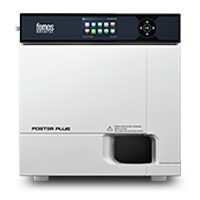
Benchtop autoclave units typically range from 8 liters to 23 liters. These are the most common choice for solo practitioners and small clinics running limited daily procedures. A single dentist performing routine restorative work may turn over two or three instrument sets per session, which a 17–18 liter chamber can often handle in one or two cycles per day.
Mid-range floor-standing or larger benchtop units, from 23 to 50 liters, suit multi-chair clinics or dental labs that process a higher volume of handpieces, burs, mirrors, and tray setups simultaneously. At this scale, the ability to sterilize wrapped instrument sets (rather than unwrapped loads) becomes important for maintaining sterility until point of use.
Vertical autoclave units and larger horizontal chamber models above 50 liters are more common in hospital dental departments, oral surgery centers, and research lab equipment settings where instrument variety and throughput are significantly higher. These units support pre-vacuum cycles and are built for sustained daily use.
Calculating the cycle load your setting actually requires
A practical approach: count the number of distinct instrument setups used per operational day, estimate the volume and packaging of each set, and determine how many can realistically fit in one sterilization load. Divide the daily instrument demand by the load capacity to get the minimum number of cycles required. Then factor in cycle time — a typical gravity displacement cycle for wrapped dental instruments runs 30 to 40 minutes, plus drying — to determine whether your preferred unit can service the clinic without creating scheduling bottlenecks between patient appointments.
Undersizing the chamber is a common mistake that drives up both operating costs and staff workload. Oversizing has a lower penalty in terms of daily operations but increases the upfront purchase price and may result in energy inefficiency when running partial loads frequently.

Compliance requirements that affect which unit you can use
In the Philippines, dental clinics operating under the regulation of the Department of Health (DOH) and the Professional Regulation Commission (PRC) are expected to follow infection control standards that include validated sterilization protocols. While specific equipment certification requirements can vary based on facility classification, the practical implication is that your autoclave must be capable of meeting documented sterilization parameters — typically 121°C at 15 psi for gravity cycles or 134°C for pre-vacuum cycles — and must be verifiable through biological and chemical indicator testing.
Cycle types and their compliance implications
Not all autoclaves support the same cycle types. A gravity displacement cycle (also called a downward displacement cycle) is standard on most benchtop units and is appropriate for solid, unwrapped, or simply-wrapped instruments without complex lumens. However, dental handpieces — particularly those with internal channels — may require a pre-vacuum (also called a B-class or Vacuklav-type) cycle to ensure steam penetration throughout the lumen. If your practice uses a high volume of handpieces, a sterilizer limited to gravity cycles may not meet the required sterilization standard for those instruments, regardless of price.
Understanding autoclave types and applications before purchase is essential for matching cycle capability to the specific instrument mix used in your clinic or lab.
Validation and documentation
Compliance also requires that sterilization performance is documented. This means keeping cycle logs, using chemical indicators inside every load, and conducting periodic biological indicator (spore) testing to verify that the sterilizer is achieving the required kill parameters. Some units include built-in cycle printers or digital logging, which simplifies documentation. Units without these features place the documentation burden entirely on staff, increasing the risk of incomplete records during an inspection or audit.
When evaluating medical autoclave for sale options in the Philippines, verify whether the unit's cycle documentation capability — printer, USB export, or memory log — matches the documentation requirements of your facility's infection control policy or accreditation body.
Breaking down the real cost of autoclave ownership
The full financial picture of autoclave ownership involves five cost categories beyond the purchase price. Each is predictable if you gather the right information before buying.
1. Consumables per cycle
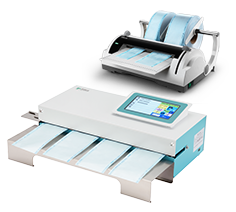
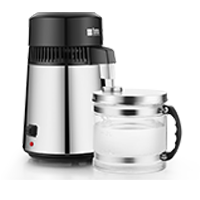
Every sterilization cycle consumes distilled or deionized water (most units require water free of minerals to prevent scale buildup in the chamber and lines), sterilization pouches or wrapping material, and chemical indicators. For wrapped loads, autoclave bags are a per-cycle cost. The annual cost of pouches alone for a busy clinic running multiple cycles per day can reach several thousand pesos. When comparing units, ask suppliers for the recommended water volume per cycle and the type of pouches compatible with the unit — some designs require proprietary pouch types at higher cost.
2. Energy consumption
Autoclave energy use is primarily a function of heating element wattage and cycle duration. A typical benchtop autoclave draws between 1,500 and 2,500 watts during the heating and sterilization phase. At Philippine electricity rates (which vary by distribution utility but generally range from ₱9 to ₱12 per kWh for commercial consumers as of recent years), running a 2,000-watt unit for 45 minutes per cycle translates to roughly ₱10 to ₱14 per cycle in electricity alone. Multiply by the number of cycles per year, and energy cost becomes a meaningful line item.
3. Maintenance and calibration
Autoclaves require periodic maintenance: door gasket replacement, chamber descaling, pressure relief valve testing, and thermocouple or pressure sensor calibration. The frequency and cost of this maintenance depend on water quality, usage intensity, and unit design. Units with stainless steel chambers and fewer internal components tend to require less frequent maintenance than those with more complex valve assemblies. Annual calibration or validation by a qualified technician is a fixed cost that should be budgeted from the first year of operation.
4. Downtime and backup capacity
An autoclave under repair is an autoclave not sterilizing instruments. For a clinic with a single sterilizer, any service outage directly limits the number of patients that can be seen. The risk cost of downtime is difficult to quantify precisely, but it is real. Units with readily available spare parts and local technical support in the Philippines minimize this risk. When evaluating suppliers, ask specifically about parts availability, typical repair turnaround time, and whether a loaner unit is available during service.
5. Replacement timeline
A well-maintained autoclave used in a dental clinic should provide seven to twelve years of reliable service under typical conditions. Units used in high-throughput settings — multiple cycles per day, every day — will reach end of life sooner. Factoring in the expected replacement timeline against the total ownership cost gives a more accurate annualized cost figure than the purchase price alone.
| Cost category | Frequency | Key variable |
|---|---|---|
| Pouches and wrapping | Per cycle | Number of cycles per day, instrument volume |
| Distilled water | Per cycle | Chamber size, cycle type |
| Chemical and biological indicators | Per cycle / periodic | Facility protocol and accreditation requirements |
| Electricity | Per cycle | Wattage, cycle duration, local kWh rate |
| Gasket and part replacement | Annual or as needed | Usage intensity, water quality |
| Annual calibration / validation | Annual | Technician availability, facility requirements |
| Downtime and repair | As needed | Parts availability, local service network |
How laboratory autoclave price scales with capacity and features
For buyers in the Philippines comparing autoclave options, understanding how laboratory autoclave price relates to capacity and specification helps set a realistic budget and prevents the common mistake of purchasing an underpowered unit to save on acquisition cost.
As a general market orientation — recognizing that actual pricing varies by supplier, import costs, and prevailing exchange rates — autoclave pricing in the Philippine market tends to follow these broad tiers:
Entry-level benchtop units (8–18 liters)
Compact, gravity-displacement benchtop autoclaves suitable for solo practitioners or low-volume dental clinics are typically the most accessible in terms of upfront cost. These units handle basic instrument sterilization, are straightforward to operate, and are widely available from autoclave Philippines suppliers. They are appropriate for settings where daily cycle volume is low and instruments do not include complex lumens requiring pre-vacuum cycles. The tradeoff is limited throughput and, in many cases, no digital cycle logging.
Mid-range units (18–35 liters, gravity and pre-vacuum capable)
Units in this range cover the needs of multi-chair dental clinics and dental laboratories that process handpieces alongside standard instruments. Pre-vacuum capability adds to the price, as does the inclusion of cycle printers, digital displays, and USB or memory logging. This tier represents the most common purchase category for established dental practices in the Philippines that need both throughput and documentation features. The autoclave sterilizer cost at this level reflects not just chamber size but the engineering required to maintain reliable vacuum and steam performance over extended use.
High-capacity and research lab units (50 liters and above)
Vertical autoclave units and horizontal chamber models in this category serve oral surgery centers, hospital dental departments, and research environments. Pricing rises steeply with capacity, cycle complexity (including pre-vacuum, porous load, and liquid cycles), and built-in validation features. These are classified as capital equipment by most procurement systems, with correspondingly longer approval cycles. For research lab equipment applications, these units may also need to meet additional safety specifications for processing non-dental materials, which affects both specification and price.
Feature premiums that add to base price
Beyond chamber size, specific features carry consistent price premiums across the market. These include:
- Pre-vacuum (B-class) cycle capability — necessary for hollow instruments including dental handpieces
- Built-in drying cycle — reduces the risk of wet packs and secondary contamination
- Cycle printer or digital log export — required for documentation-heavy compliance environments
- Water distillation integration — eliminates the need to source distilled water separately
- Stainless steel chamber grade — affects longevity and corrosion resistance, particularly in humid Philippine conditions
- Extended warranty and local service contract — reduces long-term risk cost but adds to total outlay
When evaluating medical autoclave for sale listings or quotations from an autoclave Philippines supplier, request itemized pricing that separates the base unit, delivery and installation, warranty terms, and any bundled consumables. This makes it easier to compare laboratory equipment price quotations on an equivalent basis.
It is also worth noting that buying a portable autoclave lab unit online through e-commerce platforms is an option available to buyers, but it carries different risk considerations than purchasing through a local distributor with after-sales service capability. The convenience of autoclave unit buy online transactions must be weighed against the availability of technical support, warranty service, and spare parts if the unit requires repair.
What to verify before committing to a supplier in the Philippines
The Philippine market for sterilization equipment includes authorized distributors for international laboratory sterilizer brands, local resellers, and direct import channels. Each carries different implications for pricing, warranty, and service support. Before finalizing a purchase, the following points are worth verifying directly with the supplier:
FDA registration
Medical devices sold in the Philippines, including sterilization equipment used in clinical settings, are subject to regulation by the Philippine Food and Drug Administration (FDA). Verify that the specific unit you are considering holds a valid FDA Certificate of Product Registration (CPR) or is covered under a valid License to Operate (LTO) for the distributor. Purchasing unregistered equipment can create compliance issues during facility inspections.
After-sales service and parts availability
Ask the supplier directly: who performs warranty repairs, where the nearest service technician is located, and what the typical turnaround time is for common repairs such as gasket replacement or pressure sensor servicing. For clinics outside Metro Manila, service response time can be a significant operational consideration. Confirm that commonly replaced parts — gaskets, heating elements, fuses — are stocked locally rather than imported on order.
Installation and commissioning
Autoclaves require correct installation, including appropriate electrical supply (verify voltage and amperage requirements against your clinic's supply), drainage connection, and in some cases dedicated ventilation. Confirm whether the supplier includes installation and commissioning in the quoted price, and whether initial operator training is provided. A unit that is incorrectly installed or operated without adequate training is a liability regardless of its specification.
Demonstration and reference sites
Reputable suppliers should be able to provide reference contacts — other clinics or labs using the same unit — and ideally offer a demonstration or trial cycle. Seeing the unit operate, reviewing its cycle printout, and speaking with an existing user provides information that no product brochure can replicate.
Warranty terms in writing
Obtain warranty terms in writing before purchase. Clarify what is covered (parts, labor, travel), what voids the warranty (use of non-distilled water, unauthorized consumables, operator error), and how warranty claims are processed. A one-year warranty is common at the entry level; better-specified units or those sold with service contracts may carry two- to three-year coverage.
Frequently asked questions
What is a reasonable budget for a dental autoclave in the Philippines for a solo practice?
For a solo dentist running a standard general practice, a gravity-displacement benchtop autoclave in the 17–23 liter range is typically sufficient for daily instrument throughput. Pricing in the Philippine market for this category varies depending on the country of manufacture, features, and supplier channel. Requesting quotations from at least two or three authorized local suppliers is the most reliable way to establish a current price range, as costs shift with import conditions and exchange rates. Budget separately for installation, initial consumable stock, and first-year validation.
Is laboratory autoclave price the same for dental and general lab use?
Units designed specifically for dental sterilization and those marketed as general laboratory autoclaves overlap in the mid-range capacity segment, but they are not always interchangeable. Dental-specific units are optimized for instrument tray configurations, cycle speeds appropriate to clinical turnover, and in many cases handpiece-compatible pre-vacuum cycles. General laboratory autoclaves may prioritize media sterilization, liquid cycles, or larger chamber configurations suited to research volumes. The price difference between equivalent capacities is usually modest, but the cycle capability and chamber geometry may differ in ways that affect suitability for a dental setting.
How often does a dental autoclave need to be serviced or validated?
Routine maintenance — including door gasket inspection, chamber cleaning, and water system flushing — should follow the manufacturer's instructions for use (IFU), which typically specify monthly or quarterly tasks. Full annual validation by a qualified technician, including pressure and temperature calibration and biological indicator testing, is considered standard practice for clinical environments. Some accreditation bodies and local DOH requirements may specify validation frequency; confirm the applicable standard for your facility type.
Can I buy a dental autoclave online and use it in a Philippine clinic?
Units purchased through online channels can be used in clinical settings, but the buyer assumes responsibility for ensuring the unit holds valid Philippine FDA registration, that electrical specifications match the local supply, and that installation and ongoing service support are available. Without a local distributor relationship, warranty claims and spare parts sourcing can be significantly more difficult. For a clinical setting where equipment reliability directly affects patient care continuity, purchasing through an authorized local supplier with established after-sales infrastructure is generally lower risk than a direct online purchase, even if the upfront price is higher.
Does the type of sterilization cycle affect the autoclave price?
Yes, in a meaningful way. Gravity displacement cycles require simpler engineering — a heating element, a pressure vessel, and basic controls — and are present on the most affordable units. Pre-vacuum (B-class) cycles require a vacuum pump, more precise sensors, and a more complex control system, all of which add to the manufacturing cost and therefore the retail price. If your instrument mix includes dental handpieces or other hollow devices with internal channels, pre-vacuum capability is a functional requirement rather than an optional upgrade, and your budget should account for the corresponding price premium.
Evaluating a dental sterilizer purely on its listed price leaves out the information most relevant to long-term value: whether the chamber size suits your actual workload, whether the cycle capability meets your compliance obligations, and what the unit will cost to operate, maintain, and eventually replace. For clinics and labs in the Philippines working through the autoclave selection process, those three factors — not the acquisition cost alone — determine whether a given unit represents a sound investment.
Disclaimer: This article is intended for general informational purposes only and should not be considered a substitute for professional guidance, applicable regulatory requirements, or the manufacturer's instructions for use (IFU).
More
No.205 Guangyuan Road Jiangbei District Ningbo 315033 CHINA